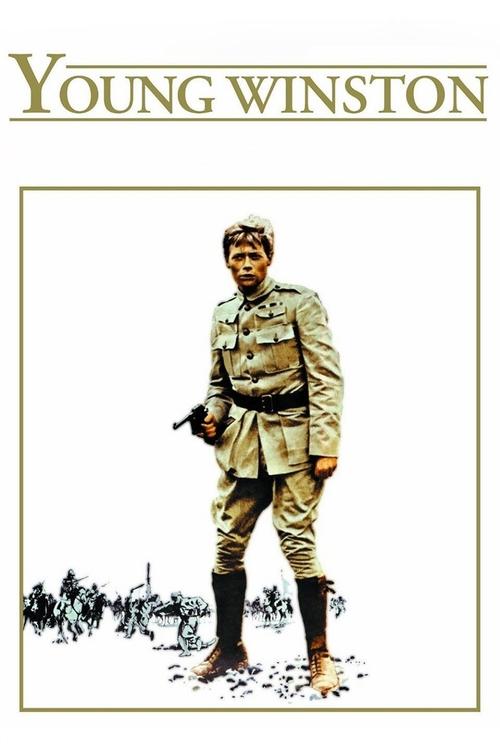
Young Winston
1972
No user ratings available yet
Diversity score: 1.4 out of 10
1958
Director
David MacDonald
Runtime
82 minutes
Average Rating
No ratings yetSynopsis
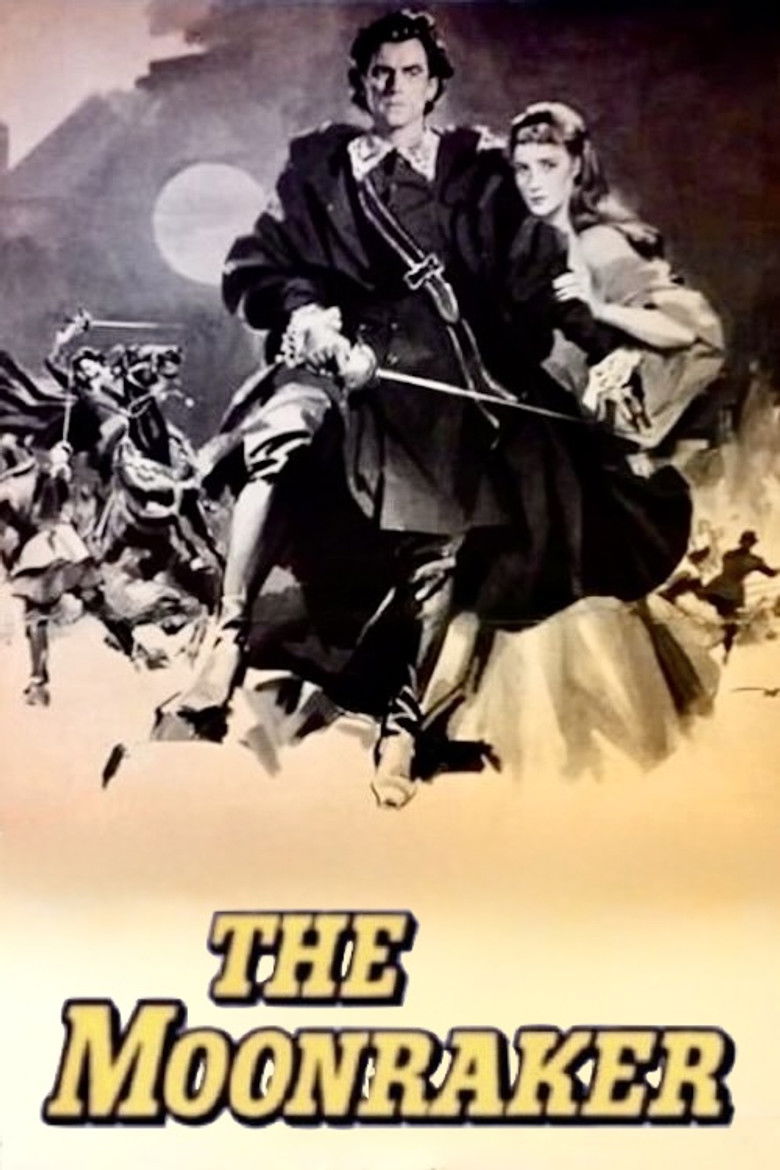
After the battle of Worcester at the end of the Civil War, the main aim of Oliver Cromwell's Commonwealth is to capture Charles Stuart. The future king's escape depends on the intrepid Earl of Dawlish, who as the Moonraker has already spirited away many Royalists. Dawlish travels to the Windwhistle Inn on the south coast to prepare the escape, where he meets Anne Wyndham, the fiancée of a top Roundhead colonel.
Overall Score
Limited
Category Breakdown
LGBTQ+ Representation
The film lacks any presence of queer identities or subtext. Interpersonal dynamics focus entirely on heteronormative romantic tensions and traditional courtship structures.
Gender Representation
Narrative agency is concentrated almost exclusively in male protagonists. Female characters function primarily as emotional catalysts or secondary figures within a male-centric adventure.
Racial & Ethnic Diversity
The perspective centers on a predominantly white, Western force. Local populations are depicted through standard colonial tropes, serving as atmospheric elements rather than independent characters.
Religious & Cultural Diversity
The story reinforces Western institutional stability and traditional power structures. It operates within the established moral and political paradigms of the Cold War era.
Disability Representation
There is no nuanced depiction of physical or neurodivergent disabilities. Characters are presented as able-bodied agents of action without exploring disability as a lived experience.
Strengths
Areas for Improvement
AI Analysis
The Moonraker is a quintessential product of its mid-century era, prioritizing traditional adventure tropes over social disruption. The narrative architecture reinforces established hierarchies rather than challenging them. Agency is heavily skewed toward male characters, while female roles remain secondary and supportive. This lack of complexity extends to the film's treatment of race and culture, which relies on colonialist frameworks. Ultimately, the film functions as a reinforcement of 1950s social norms. It lacks the intersectional depth or subversion of power dynamics necessary for a more progressive representation score.
No reviews yet. Be the first to share your thoughts on this movie!
Use the rating form above to leave a star rating and optional review.