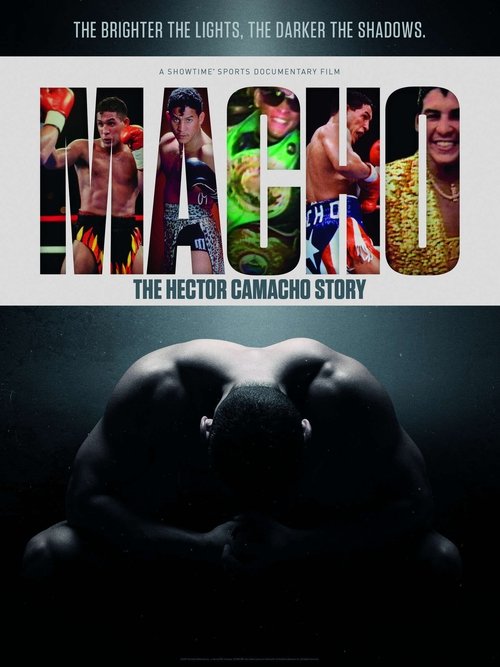
Macho: The Hector Camacho Story
2020
No user ratings available yet
Representation score: 5.5 out of 10
Representation Score
Fair
2009
PG-13Director
Eric Drath
Runtime
87 minutes
Average Rating
No ratings yetNew Showbiz Analysis
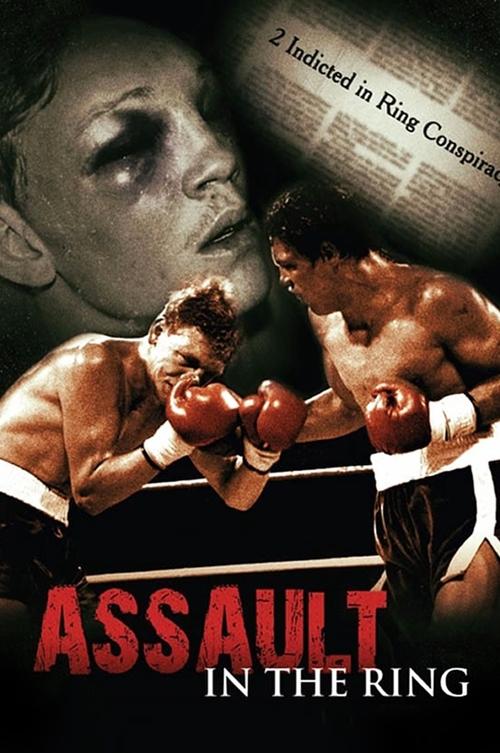
Assault in the Ring succeeds by deconstructing the myth of the heroic athlete. Instead of a celebratory sports story, it provides a sophisticated critique of how institutional structures and high-stakes capitalism can fail individuals. The film's strength lies in its nuanced portrayal of Luis Resto, a Puerto Rican fighter navigating professional disgrace. It explores complex ethnic dynamics and systemic negligence. However, the film is limited by its narrow focus. The environment is heavily masculine-coded, and the narrative lacks LGBTQ+ representation or significant women's ability to drive the story.
Category Breakdown
The documentary does not include any LGBTQ+ characters or narratives.
The film focuses primarily on male characters and lacks significant women's ability to drive the story or the subversion of gendered roles.
The narrative centers on Luis Resto, a Puerto Rican boxer, exploring his identity and the contrast with the 'Irish golden boy' archetype within a predominantly white sporting institution.
The film critiques established institutions, showing how governing bodies contribute to systemic failures. It portrays the protagonist as a broken man facing institutional corruption.
The film addresses the physical and psychological trauma resulting from the match, depicting the long-term consequences of physical injury and the mental burden of guilt.
Present on Screen
Limited or Absent
Official Synopsis
On June 16, 1983, in front of a capacity crowd of 25,000 at Madison Square Garden, the lives of two young men were forever changed during a controversial boxing match. A tough club fighter from Puerto Rico named Luis Resto fought Billy Collins Jr., an Irish golden boy, for ten grueling rounds. Resto was declared the winner, but within minutes, was accused of tampering with the padding in his gloves - in effect brutalizing Collins Jr. with his bare fists for thirty minutes. More than two decades later, Luis Resto is still a broken man shouldering the burden of his opponent's death; a prison sentence; and a lifetime ban from boxing. Resto relives that infamous night in New York City and exposes the sport's dark side - unfolding an emotional story which finally reveals the truth.
2020
2008
2008
2021
2005
2013
2013
2019
No reviews yet. Be the first to share your thoughts on this movie!
Use the rating form above to leave a star rating and optional review.