Battle Beneath the Earth
1967
No user ratings available yet
Representation score: 2.1 out of 10
Representation Score
Fair
1980
Director
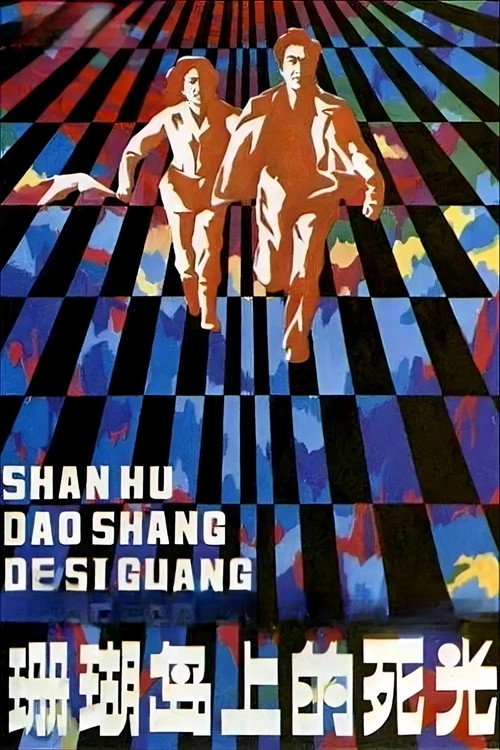
Zhang Hongmei
Average Rating
No ratings yetNew Showbiz Analysis
Death Ray on Coral Island stands out as a cultural artifact that questions the idea of Western technological superiority. By highlighting China as a key player in scientific innovation, it offers a fresh non-Western perspective within the science fiction genre. However, the film adheres to traditional social structures and lacks progressive representation regarding gender and LGBTQ+ issues. It focuses on geopolitical conflict and state-aligned identities rather than diverse human experiences. Ultimately, the work serves more as a tool for asserting national identity than exploring a wide range of human experiences, prioritizing cultural subversion over social inclusivity.
Category Breakdown
The film does not include any LGBTQ+ characters or stories that go beyond the assumption that everyone is straight. Its focus on national security highlights traditional, state-aligned social structures.
The story emphasizes espionage and military technology, which typically highlight masculine leadership. It reinforces traditional gender hierarchies rather than giving women significant roles in driving the story.
The film challenges Western-centric norms by positioning China as the main technological innovator. It presents a non-Anglo-Saxon viewpoint on global power and scientific advancement.
The narrative critiques Western dominance and predatory capitalism, emphasizing collective national progress and technological independence over individualist Western ideals.
There is no evidence of disability or neurodivergence impacting the character arcs or plot mechanics.
Present on Screen
Limited or Absent
Official Synopsis
Said to be the first science-fiction film produced in China (and perhaps having its North American theatrical premiere in Future Imperfect?), Death Ray on Coral Island spares no bile, camp, or latent envy in portraying America as the cunning archenemy that will stop at nothing—industrial espionage, assassinations, even ballroom dancing—to steal China’s futuristic weaponry. The film occupies a pivotal moment in China’s modern history, representing a legacy of the Great Cultural Revolution and a harbinger of the nation’s ascension on the global economic stage. Courtesy of the China Film Archive and Shanghai Film Group.
1967

1984

1982
1982

1986

1966

2018

1990
No reviews yet. Be the first to share your thoughts on this movie!
Use the rating form above to leave a star rating and optional review.