Sins of Desire
1993
No user ratings available yet
Diversity score: 3.2 out of 10
1992
RDirector
Richard Danus
Runtime
98 minutes
Average Rating
No ratings yetSynopsis
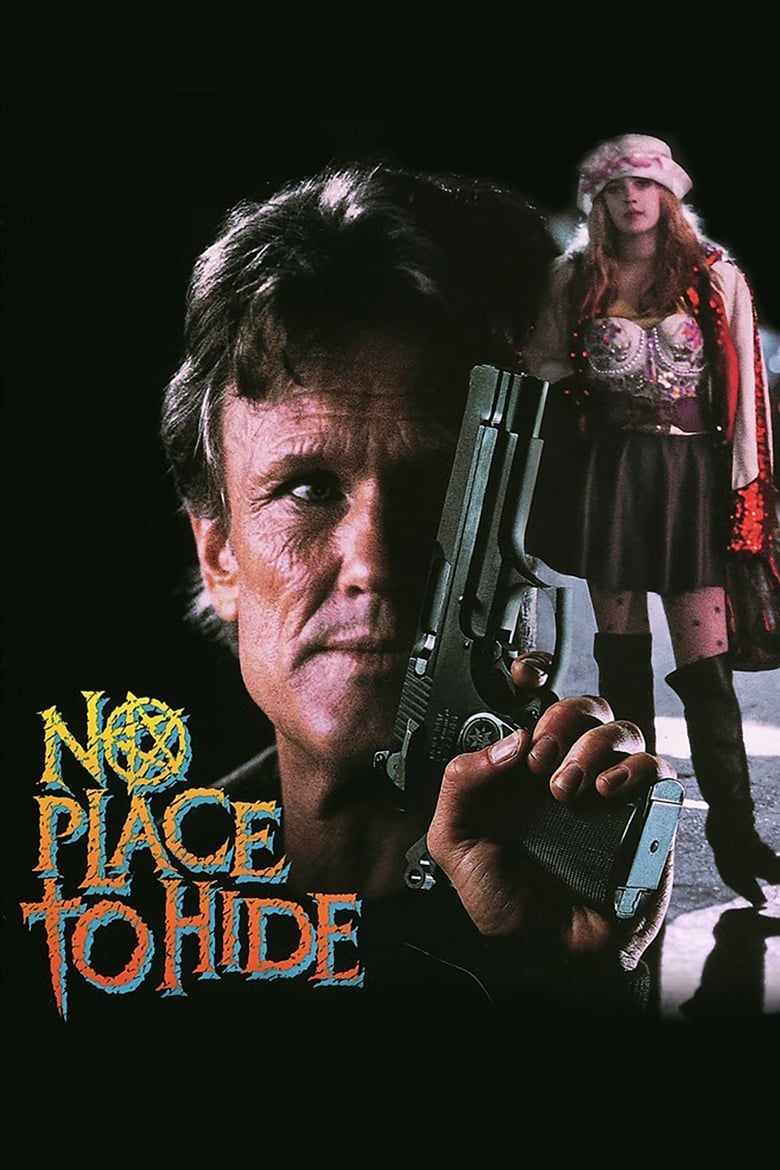
Detective Joe Garvey is called in to a mysterious case: a ballerina has been slayed on stage during a performance, it seems she didn't even fight. At her house Garvey finds her 14 years old precocious sister Tinsel. She's not very cooperative, so he arranges to have her sent to the orphanage -- until she's attacked too. He takes her under his wings, and soon both get the attention of a secret organization.
Overall Score
Limited
Category Breakdown
LGBTQ+ Representation
The film lacks explicit LGBTQ+ characters or narratives addressing non-cisnormative identities. The story focuses on a traditional detective dynamic without visible queer intimacy.
Gender Representation
The narrative centers on a male detective in a position of authority. While female characters drive the mystery, they are primarily positioned as victims of violence.
Racial & Ethnic Diversity
There is no evidence of diverse ethnic backgrounds or intentional non-white casting. The film appears to follow the demographic homogeneity typical of 1990s mainstream thrillers.
Religious & Cultural Diversity
The story follows a conventional Western thriller structure. It lacks critiques of religion or institutions, focusing instead on individual crime and investigation.
Disability Representation
There is no indication of characters with visible or invisible disabilities within the narrative.
Strengths
Areas for Improvement
AI Analysis
No Place to Hide is a standard 1990s thriller that prioritizes genre tropes over social complexity. The plot relies on traditional archetypes, specifically the male protector and the female victim, which limits its progressive depth. The film lacks intersectional representation, offering little in the way of LGBTQ+ visibility or racial diversity. It functions as a conventional crime procedural rather than a work that challenges systemic or cultural norms. Ultimately, the production reflects the era's tendency toward demographic homogeneity and predictable gender hierarchies.
1993
1995

1993

1995

2013

1997
1998

2004

2017

2009

2014
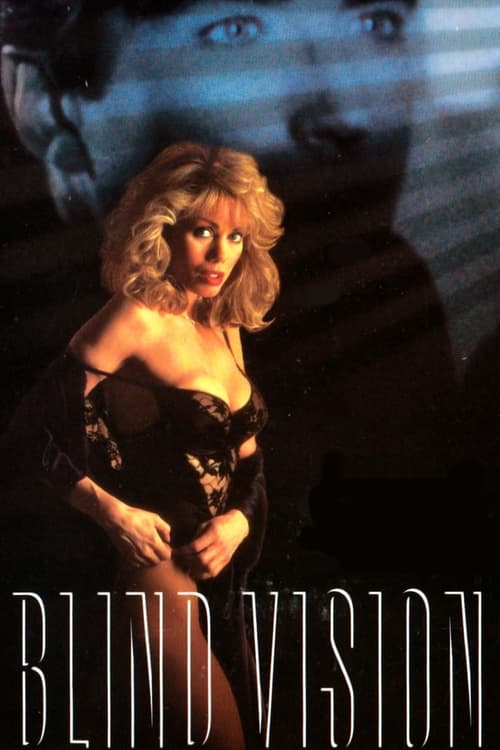
1992
No reviews yet. Be the first to share your thoughts on this movie!
Use the rating form above to leave a star rating and optional review.