The Clown's Pup
1919
No user ratings available yet
Representation score: 1.6 out of 10
Representation Score
Minimal
1932
Director
Vernon Stallings, John Foster
Runtime
7 minutes
Average Rating
No ratings yetNew Showbiz Analysis
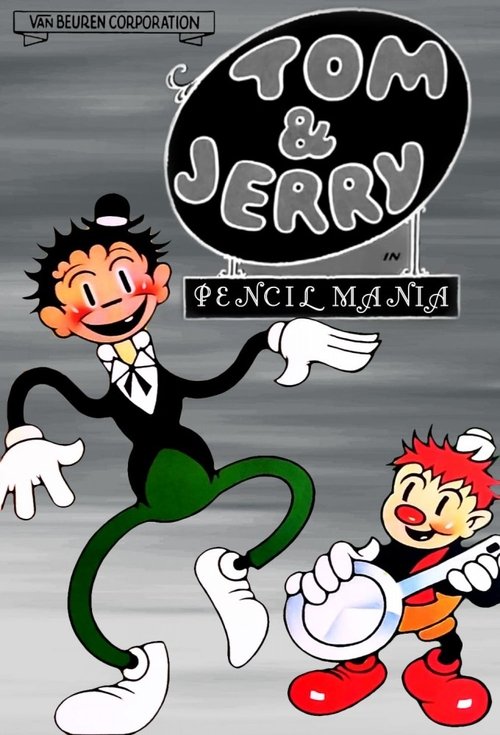
Pencil Mania is a technical exercise in surrealist animation rather than a narrative vehicle for social commentary. The short focuses on the creative potential of the medium, using a pencil to transform simple lines into complex, shifting objects like saxophones and ducks. Since the film lacks a specific plot, it bypasses the opportunity to engage with diverse identities or complex character dynamics. The content is driven by disjointed, humorous illusions rather than interpersonal relationships or social themes. Ultimately, the film reflects the animation styles of the early 1930s, focusing on visual wit. It functions as a showcase for creativity, leaving demographic and cultural representation largely unaddressed.
Category Breakdown
The film does not depict same-sex relationships or non-binary identities. The focus is on surreal animation rather than interpersonal dynamics.
Boys are the main subjects in the short. It avoids reinforcing traditional gender roles but does not challenge them either.
There is no diverse or non-Anglo-Saxon cast. The story focuses on the mechanics of animation rather than demographic complexity.
The film prioritizes surreal spectacle over social commentary. It does not promote religious institutions and lacks anti-institutional or anti-capitalist critiques.
No characters with visible or invisible disabilities or neurodivergence are shown. The narrative does not address sensory impairments.
Present on Screen
Limited or Absent
Official Synopsis
This Tom and Jerry cartoon (the human versions, not the cat and mouse) is an opportunity for the animators to have fun with the medium. There is no specific plot. One of the boys uses a pencil to create a myriad number of animated illusions that could only work in a cartoon. For example, a short vertical line is drawn, which when held by both ends suddenly becomes a saxophone. When played, the notes pop out of the bell of the instrument to suddenly grow legs and transform into ducks. After the song, the saxophone itself quickly follows suit and becomes a goose. The entire short consists of these disjointed, though often creative and humorously unlikely events.
1919

1900
1932

1920
1908
1933
1928
1942
No reviews yet. Be the first to share your thoughts on this movie!
Use the rating form above to leave a star rating and optional review.