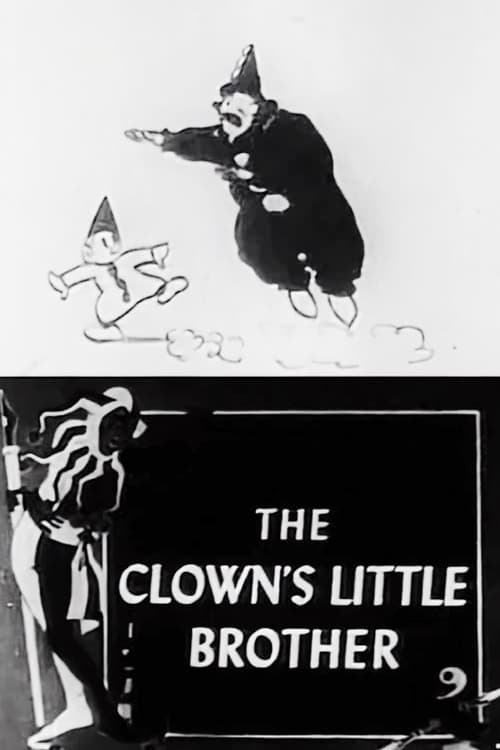
The Clown's Little Brother
1920
No user ratings available yet
Representation score: 1.1 out of 10
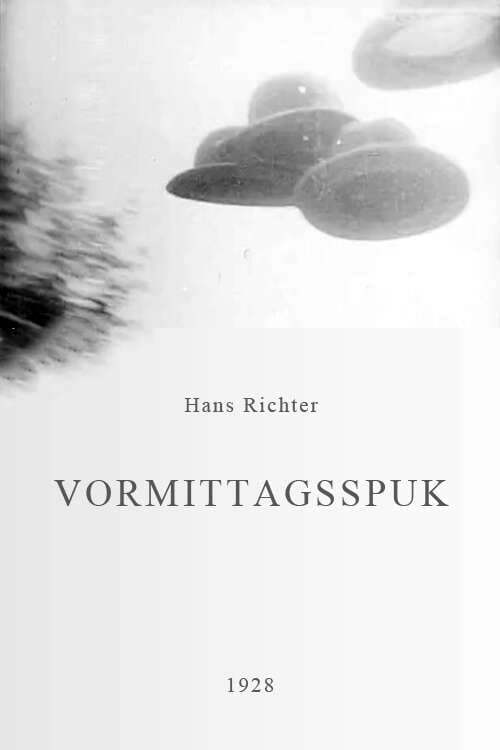
Representation Score
Minimal
1928
Director
Hans Richter
Runtime
9 minutes
Average Rating
No ratings yetNew Showbiz Analysis
Hans Richter’s work is a key piece of Dadaist abstraction that prioritizes formal experimentation over social representation. By focusing on inanimate objects, the film avoids traditional social hierarchies. While it does not offer meaningful representation for underrepresented identities, its rejection of cinematic continuity challenges established cultural narratives. The film's strength lies in its disruption of reality, favoring a fragmented, subjective experience over linear storytelling.
Category Breakdown
Since the film uses an abstract, object-based animation style, there are no human characters to depict sexual orientation or gender identity.
The narrative depends on inanimate breakfast items to move the plot forward. It does not address or challenge traditional gender roles or hierarchies.
This avant-garde short uses stop-motion and double exposure techniques with household objects. Without a human cast, it does not represent any racial or ethnic identities.
Richter presents everyday objects as autonomous entities, disrupting conventional expectations of reality. However, the film does not include explicit religious or anti-capitalist critiques.
The film focuses solely on the kinetic properties of objects. With no human characters, it does not depict any disabilities.
Present on Screen
Limited or Absent
Official Synopsis
Hans Richter, noted for his abstract shorts, has everyday objects rebelling against their daily routine.
1920
1919
1911

1920
1908
1932
1932
1940
No reviews yet. Be the first to share your thoughts on this movie!
Use the rating form above to leave a star rating and optional review.