
Here We Are
2021
No user ratings available yet
Representation score: 7.5 out of 10
Representation Score
Good
2021
Director
Kotaro Wajima
Runtime
77 minutes
Average Rating
No ratings yetNew Showbiz Analysis
The film excels by placing neurodivergent lived experiences at the heart of its narrative. It avoids the common pitfall of treating disability as a source of pathos, instead focusing on the protagonist's journey toward autonomy and the systemic shifts in communal support. While the film provides deep insight into disability and the critique of social conformity, it remains narrow in its demographic scope. The narrative is deeply rooted in a specific Japanese cultural milieu and lacks representation of LGBTQ+ identities or racial diversity. Ultimately, the work is a nuanced study of domestic roles and the struggle for independence. It succeeds as a social realist drama that prioritizes the subjective experience of its neurodivergent lead over traditional societal expectations.
Category Breakdown
The film focuses on maternal bonds and neurodivergent social integration. There is no explicit depiction of LGBTQ+ identities or relationships that challenge straight-centered assumptions.
Tamako serves as a central female protagonist who play a significant role in driving the story. She navigates the complex challenges of caregiving and social integration as the primary decision-maker.
The drama is set within a localized Japanese context. The cast and social dynamics reflect a homogeneous cultural environment without evidence of diverse racial backgrounds.
The story critiques traditional social structures by exploring the tension between familial duty and individual independence. It highlights the friction between old household traditions and modern communal systems.
Intellectual disability and autism are central to the character arc rather than mere plot devices. The film emphasizes Tadao's transition toward autonomy and independence in a group home.
Present on Screen
Limited or Absent
Official Synopsis
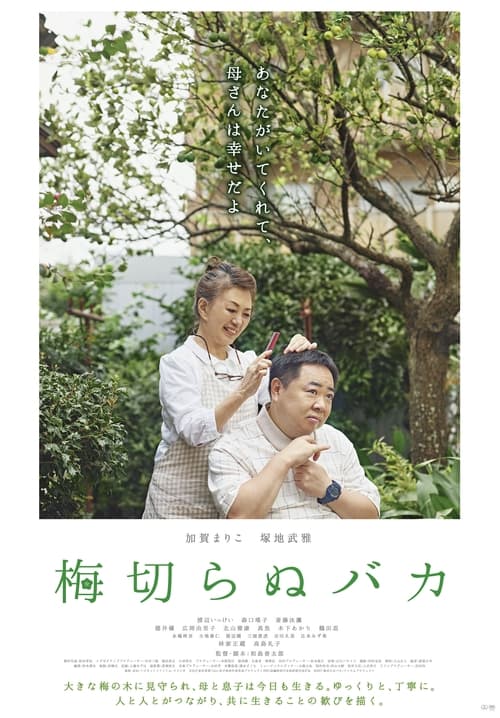
An old house stands amongst newly built buildings, as if it has been left behind. Tamako, a popular fortune teller, has been living there alone with her son, Tadao, for years. Because he has intellectual disability and autism, their neighbors often complain about his unpredictable behaviors. One day, Tamako is informed that a room is available in a group home owned by a company that runs the community workshop Tadao works at. Residents there all have intellectual disability but are living together to be independent from their families. Tamako decides to let Tadao move into the group home, but the sudden change of environment confuses him.
2021

2019

2025

2014

2018

2023

2021

2008
No reviews yet. Be the first to share your thoughts on this movie!
Use the rating form above to leave a star rating and optional review.