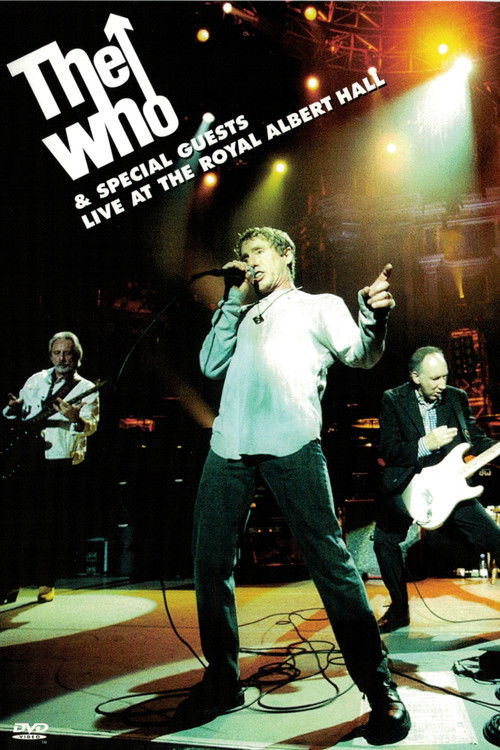
The Who & Special Guests: Live At The Royal Albert Hall
2000
No user ratings available yet
Representation score: 6.3 out of 10
Representation Score
Fair
2010
Not RatedDirector
Bruce Gowers
Runtime
187 minutes
Average Rating
No ratings yetNew Showbiz Analysis
This concert film serves as a historical document of a 1990 philanthropic event. It celebrates musical talent and charitable intent rather than serving as a platform for social commentary or diverse storytelling. The demographic makeup of the performers reflects the predominantly white and male-centric nature of the 1990 rock industry. Consequently, the film doesn’t challenge social hierarchies or present diverse identity-based narratives. Its most progressive aspect is its connection to music therapy through Nordoff-Robbins. By highlighting the therapeutic benefits of music, the film supports accessibility and therapeutic intervention.
Category Breakdown
The film doesn't focus on LGBTQ+ identities. As a live concert recording, it emphasizes musical performance over identity-based stories or character development.
The lineup reflects the male-dominated rock scene of 1990. Female musicians are present, but the visual emphasis aligns with traditional gender roles of that time.
The performers mainly represent a white, Anglo-Saxon heritage. The demographic makeup follows the historical norms of the UK rock industry in 1990.
The film highlights Western musical traditions and British institutions such as the Brit School. It promotes a collective, philanthropic spirit focused on charity.
The production underscores the value of music therapy. It portrays music as a crucial tool for accessibility and expression for individuals with various needs.
Present on Screen
Limited or Absent
Official Synopsis
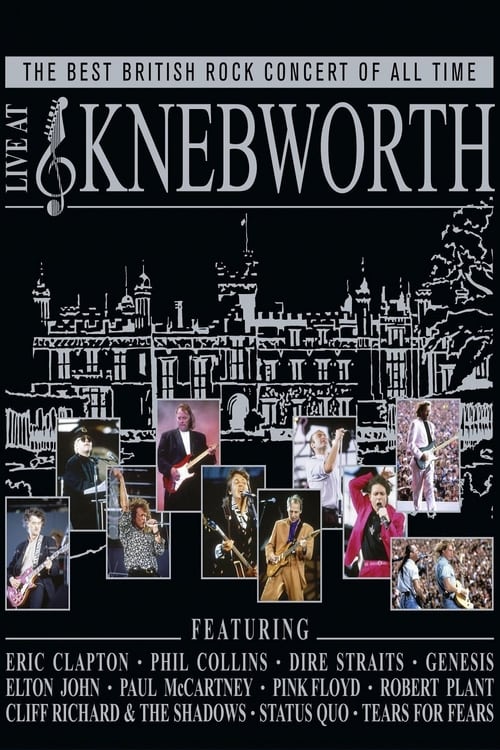
On the 30th June 1990 in the grounds of Knebworth House a concert was staged to raise funds for Nordoff-Robbins Music Therapy and the Brit School For Performing Arts. It has since been heralded as the "best British rock concert of all time". The breathtaking performing line-up was drawn entirely from acts who had been recipients of the prestigious Sliver Clef Award presented annually by Nordoff-Robbins Music Therapy for outstanding services to the British Music Industry. All the artists gave their time and performances for free in order to support the charity and this 20th Anniversary deluxe edition will continue to raise funds so that they can continue their invaluable work. For the SD Blu-ray release the footage has been newly restored and has audio in DTS-HD Master Audio and LPCM Stereo to present this legendary concert in the best possible sound and picture quality.
2000

2017
2000
2021
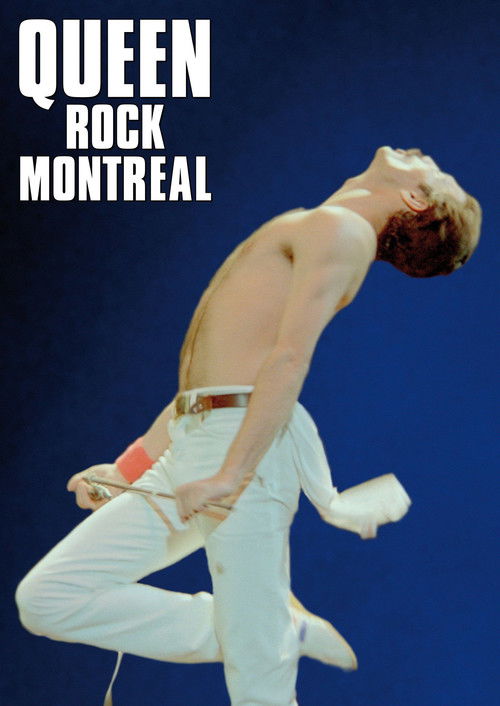
2007
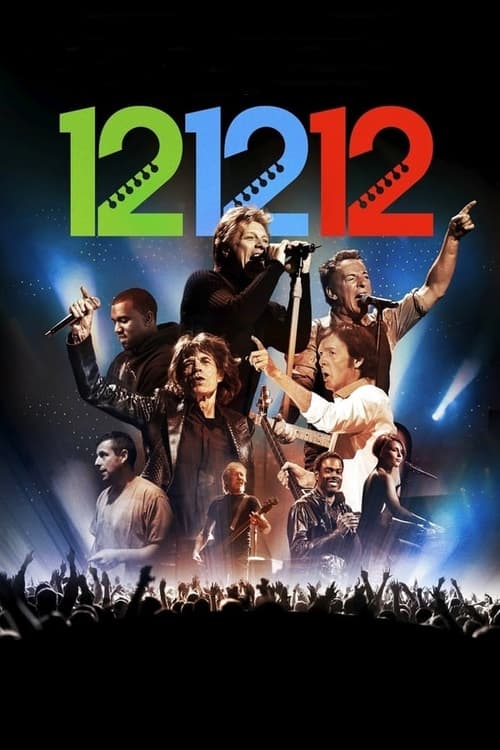
2012
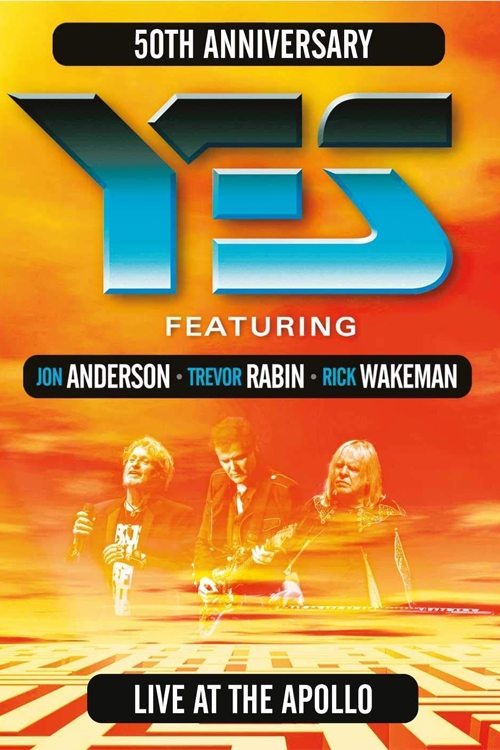
2018
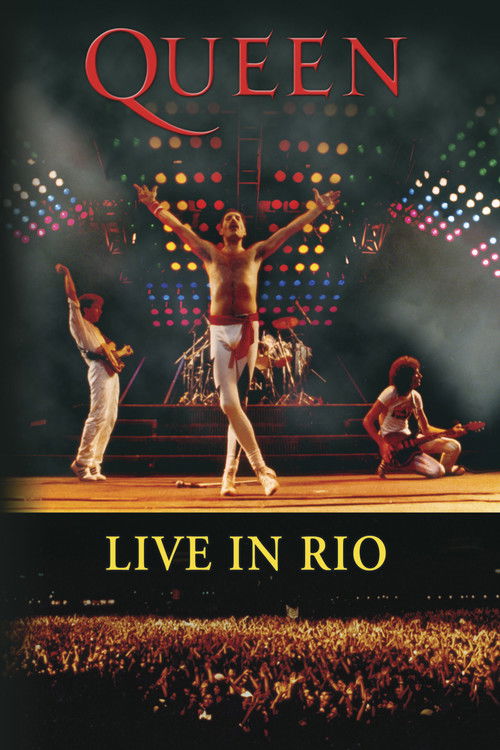
1985
No reviews yet. Be the first to share your thoughts on this movie!
Use the rating form above to leave a star rating and optional review.