
Five Nights in Maine
2016
No user ratings available yet
Representation score: 5.4 out of 10
Representation Score
Limited
2019
TV-14Director
Eric Pumphrey
Runtime
14 minutes
Average Rating
No ratings yetNew Showbiz Analysis
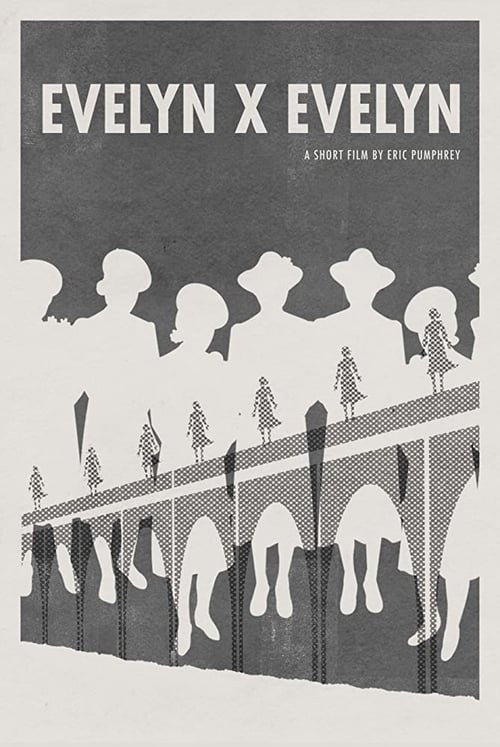
Evelyn x Evelyn provides a nuanced look at the inner lives of a Black couple set in 1956. By focusing on the psychological impact of personal tragedy and systemic pressures, the film explores the intersections of race and trauma. The film successfully challenges the sanitized, optimistic clichés of 1950s Americana. It uses the historical context to examine how personal tragedy and broader societal issues can disrupt the traditional American Dream. However, the narrative remains centered on a heterosexual relationship, leaving little room for LGBTQ+ or disability-specific representation.
Category Breakdown
The film does not explicitly include characters with LGBTQ+ identities. It focuses on a heterosexual couple dealing with their shared grief.
The story challenges mid-century stereotypes by showing emotional vulnerability. It breaks away from the era's expectations of stoicism through the couple's despair.
The film highlights the private lives of an African American couple, centering Black subjectivity. It avoids using race as a secondary plot device.
The narrative avoids idealized depictions of the nuclear family common in period dramas. It prioritizes psychological realism over traditional domestic stability.
There is no specific mention of physical disabilities or neurodivergence. While trauma is central, it is not framed through a disability perspective.
Present on Screen
Limited or Absent
Official Synopsis
In 1956, an African American couple descends into despair after losing their child...sometimes grief can be overwhelming for just us to tackle alone. Starring Natalie Paul and Jocko Sims. Written and directed by Eric Pumphrey.
2016

2023

2020

2017
2018

2021

2015

2021
No reviews yet. Be the first to share your thoughts on this movie!
Use the rating form above to leave a star rating and optional review.