Nzinga, Queen of Angola
2013
No user ratings available yet
Representation score: 7.0 out of 10
Representation Score
Good
2006
Not RatedDirector
Juan Mora Catlett
Runtime
117 minutes
Average Rating
No ratings yetNew Showbiz Analysis
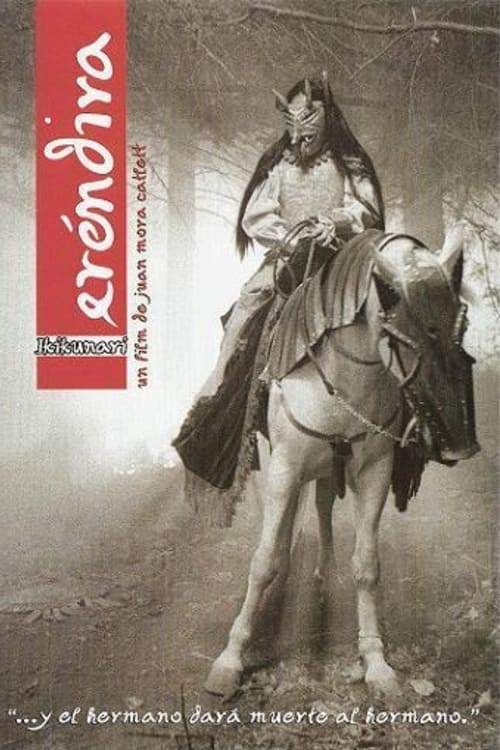
Eréndira the Untamable is a powerful piece of storytelling that merges gender subversion with post-colonial resistance. By centering a Purepecha woman, the film challenges traditional conquest narratives and replaces them with indigenous ability to act. The production's commitment to linguistic authenticity is a standout feature. Using the original Purepecha language ensures the story remains rooted in its cultural heritage rather than becoming a Westernized adaptation. While the film lacks explicit LGBTQ+ representation, its strength lies in its profound ethnic and gendered depth. It successfully challenges historical clichés by placing underrepresented identities in positions of leadership and strength.
Category Breakdown
The story focuses on colonial invasion and gendered social constraints. There are no explicit mentions of LGBTQ+ characters or non-straight relationships.
Eréndira disrupts traditional hierarchies by rejecting social conventions that prohibit women from combat. Her mastery of equestrian skills and battle portrays women's ability to drive the story.
The film centers a Purepecha narrative with an indigenous majority cast. It avoids Western-centric framing by telling the story through the lens of indigenous ability to act during the Spanish conquest.
This anti-colonial narrative critiques Spanish conquistadors as exploitative forces. It prioritizes indigenous sovereignty and local social structures over the imposition of Western religious or political systems.
The film provides no information regarding the depiction of physical or neurodivergent disabilities.
Present on Screen
Limited or Absent
Official Synopsis
ERENDIRA IKIKUNARI is a beautifully shot action film that recreates the 16th century legend of Erendira, a young Purepecha woman who became an icon of bravery during the destruction of indigenous Mexico by the Spanish conquistadors. When the Spanish arrive, they take advantage of the discord and conflict among the Mexican natives, reaping the benefits of a region divided. Erendira, a young Purepecha women on verge of marriage, refuses to allow her land to be destroyed and stands up to the social conventions prohibiting women to participate in battle. In the face of the invasion, she steals and learns to ride a horse against the Spanish, winning the respect of her tribal leaders. Along her amazing journey, she becomes a symbol of strength and resistance within her culture. This feature length film was shot entirely in the original Purepecha language.
2013
2011
1991
1993
1991
2003
2003
1986
No reviews yet. Be the first to share your thoughts on this movie!
Use the rating form above to leave a star rating and optional review.