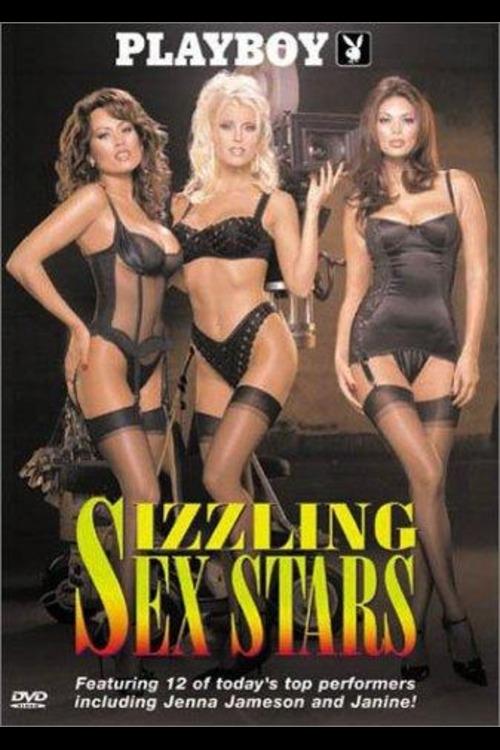
Playboy: Sizzling Sex Stars
2003
No user ratings available yet
Representation score: 2.7 out of 10
Representation Score
Minimal
2003
RRuntime
53 minutes
Average Rating
No ratings yetNew Showbiz Analysis
Playboy: Celebrity Photographers emphasizes the brand identity and celebrity culture of the early 2000s. It reinforces traditional social and gender hierarchies through its focus on the male gaze and conventional beauty standards. The film's narrative structure centers around male celebrities, who dominate the storyline. Female subjects are presented as visual objects rather than active participants in the story. The cast is predominantly white, reflecting the mainstream media norms of the time. The film lacks representation of diverse racial backgrounds, LGBTQ+ identities, and individuals with disabilities.
Category Breakdown
The film does not include any LGBTQ+ characters or non-traditional gender identities. It focuses solely on heterosexual relationships and traditional gender roles.
Gender roles in the film are traditional, with male celebrities taking the lead in the narrative. Female Playmates are visually prominent but have limited roles in driving the plot.
The film features a predominantly white cast, typical of mainstream media in 2003. There is no effort to include diverse racial backgrounds or multi-layered casting.
The film promotes Western consumerism and celebrity culture. It does not challenge traditional social norms or institutions.
The film does not include any representation of individuals with disabilities, focusing instead on able-bodied celebrities and models.
Present on Screen
Limited or Absent
Official Synopsis
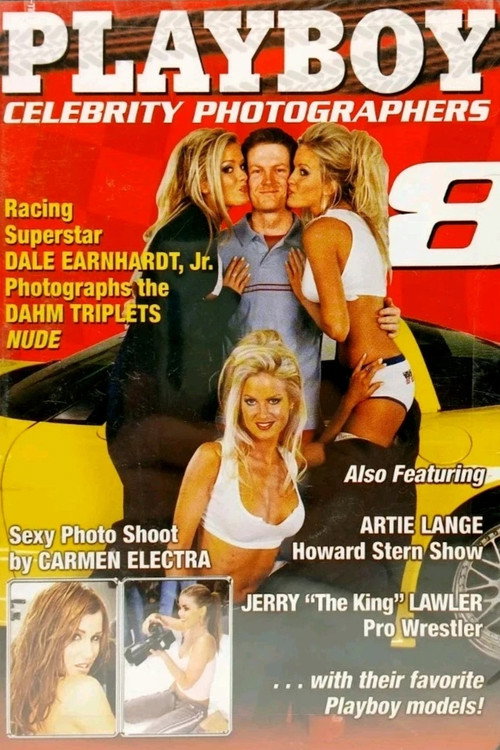
Four hot celebs become Playboy Photographers: Dale Earnhardt Jr.; Carmen Electra; pro wrestler Jerry Lawler, and Howard Stern's Artie Lange turn the lens on and party with the sexiest Playmates.
2003
2023
1998
2002

2002
1999
1997
2005
No reviews yet. Be the first to share your thoughts on this movie!
Use the rating form above to leave a star rating and optional review.