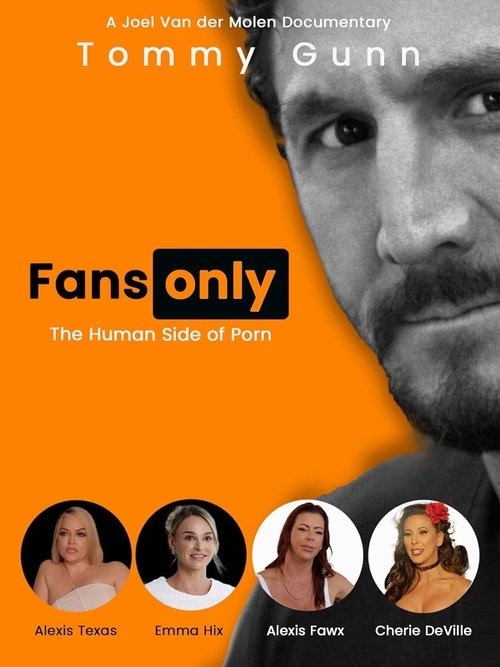
Fans Only: The Human Side of Porn
2025
No user ratings available yet
No diversity score available

2002
RDirector
Kevin Burns, Edith Becker
Runtime
93 minutes
Average Rating
No ratings yetSynopsis
A look inside the Playboy mansion around the year 2000. Features Hugh Hefner and his 7 girlfriends pre-Girls Next Door.
Overall Score
Limited
Category Breakdown
LGBTQ+ Representation
The film lacks narratives centered on queer identities. It focuses almost exclusively on the heteronormative structures of the Hefner brand and his romantic dynamics.
Gender Representation
The documentary reinforces traditional gender hierarchies. Men act as the architects of the social environment, while women are positioned as subjects within the Playboy Bunny archetype.
Racial & Ethnic Diversity
The cast reflects the multicultural nature of Los Angeles. However, the central brand remains predominantly white and does not prioritize intersectional depth or racial agency.
Religious & Cultural Diversity
The film celebrates a high-status iteration of the American Dream. It documents a lifestyle of capitalist luxury and hedonism rather than challenging Western institutions.
Disability Representation
There is no discernible representation of physical, sensory, or neurodivergent disabilities. The focus remains strictly on the able-bodied participants of the mansion's social scene.
Strengths
Areas for Improvement
AI Analysis
This documentary serves as a study of traditional power hierarchies and capitalist excess. It provides a glimpse into a non-traditional domestic structure but fails to disrupt conventional social norms. Instead, it documents a highly stratified and gender-asymmetrical social ecosystem. The production centers on the Hefner brand, which prioritizes a specific aesthetic and a curated, high-socioeconomic environment. This focus limits the depth of representation across most categories. While the film captures the multicultural atmosphere of the Los Angeles entertainment industry, the underlying social architecture remains deeply rooted in heteronormative and patriarchal structures.
2025

2007
2014
2005

2011

1998

2011

2007

2003

2006

2015
2005
No reviews yet. Be the first to share your thoughts on this movie!
Use the rating form above to leave a star rating and optional review.