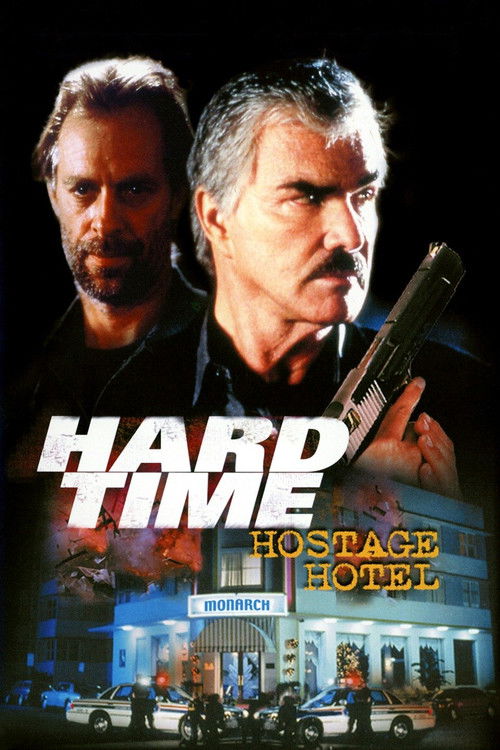
Hard Time: Hostage Hotel
1999
No user ratings available yet
Representation score: 1.9 out of 10
Representation Score
Minimal
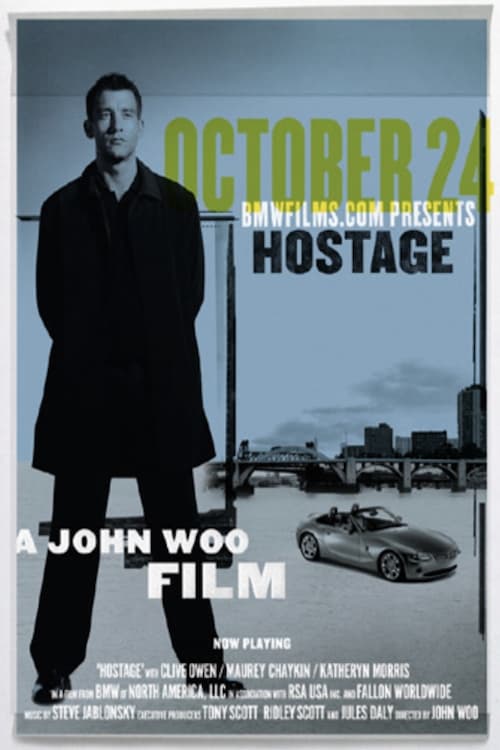
2002
Not RatedDirector
John Woo
Runtime
10 minutes
Average Rating
No ratings yetNew Showbiz Analysis
Hostage is a conventional thriller that leans heavily on genre clichés to create tension. It relies on established archetypes, particularly around gender and authority, to drive its suspenseful narrative. While the film offers a racially diverse cast, it does not actively challenge racial hierarchies. The storytelling remains centered on traditional Western values and the protection of the home environment. Overall, the film reinforces traditional social structures. It lacks representation for LGBTQ+ identities and individuals with disabilities, focusing instead on a binary moral landscape and masculine leadership.
Category Breakdown
The film does not include any LGBTQ+ characters or stories. Romantic and family relationships are based on traditional heterosexual norms.
Female characters often play the role of a damsel in distress, serving as catalysts for male-driven plots. A female antagonist adds complexity, but the overall structure emphasizes masculine protector roles.
The film features a diverse cast reflecting an urban New York setting. Actors like Samuel L. Jackson contribute to meaningful representation, though casting follows typical industry standards for the time period.
The story upholds Western institutional values and the sanctity of the family unit. It emphasizes the importance of law enforcement and civil order against criminal disruption.
The film does not focus on visible or invisible disabilities. There are no character arcs defined by neurodivergence or physical impairments.
Present on Screen
Limited or Absent
Official Synopsis
The Driver is hired by the FBI to help defuse a hostage situation. A disgruntled employee has kidnapped a CEO and has hidden her, demanding $5,088,042. The Driver delivers the money, writing the sum on his hand as instructed by the hostage taker. After he is told that he holds the life of a person in his hand, he is ordered to burn the money. As he complies, the federal agents break in and attempt to subdue the man, who shoots himself in the head before he reveals where the woman is hidden. The Driver then tries to find the hostage before she drowns in the trunk of a sinking car. As a twist, the kidnapped woman is revealed to be the hostage taker's lover. She coldly taunts the dying man in the hospital.
1999

1995
1996
1974

1995

2002

2012

2015
No reviews yet. Be the first to share your thoughts on this movie!
Use the rating form above to leave a star rating and optional review.