
A Tuba To Cuba
2019
No user ratings available yet
Representation score: 8.3 out of 10
Representation Score
Good
2016
Not RatedDirector
Sam Pollard
Runtime
80 minutes
Average Rating
No ratings yetNew Showbiz Analysis
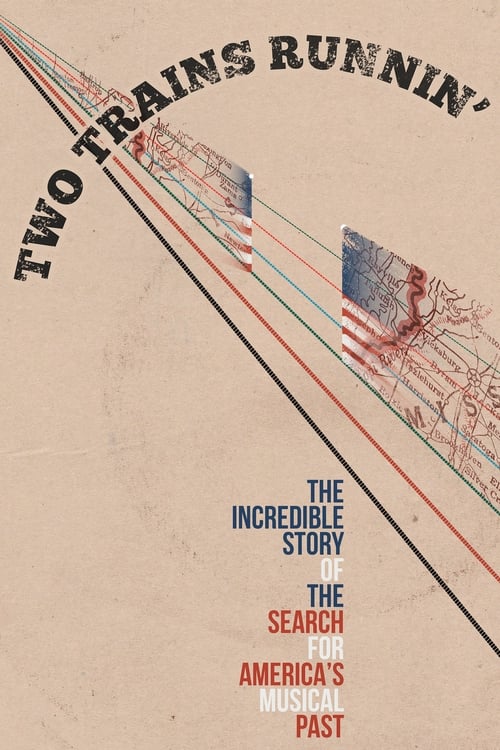
Two Trains Runnin' serves as a powerful tool for historical reclamation, using the search for lost blues musicians to dismantle Anglo-centric historical lenses. By centering Black musical ability to act, the film provides a profound look at the sociopolitical landscape of the 1960s Mississippi Delta. While the documentary achieves high marks for its structural deconstruction of racial hierarchies, it lacks depth regarding other identity-based narratives. The focus remains strictly on the intersection of musicology and the Civil Rights Movement, leaving little room for LGBTQ+ or disability-focused storytelling. Ultimately, the film succeeds as a critique of oppressive American institutions, framing the struggle for racial equity as a central driver of cultural evolution.
Category Breakdown
The film focuses on blues preservation and Jim Crow-era racial tensions. There is no explicit evidence of LGBTQ+ narratives or non-cisgender identities within the historical arc.
The narrative centers on male-dominated blues industries and 1960s political activism. It offers nuanced context regarding how systemic structures influenced individual roles during this era.
The documentary excels by centering the ability to act and cultural contributions of Black musicians. It uses the search for blues legends to examine systemic oppression and the Civil Rights Movement.
The film critiques institutionalized racism and traditional Western power structures in the segregated South. It prioritizes the lived experiences of those resisting oppressive social hierarchies.
There is no significant or sustained focus on neurodivergence or physical disabilities. The film prioritizes the intersection of musicology and civil rights history instead.
Present on Screen
Limited or Absent
Official Synopsis
The search of several young, white men for blues singers who have been missing for decades coincides with the Civil Rights Movement in Mississippi in the 1960s.
2019
2008
2015
1994
1968

2013

2019
1992
No reviews yet. Be the first to share your thoughts on this movie!
Use the rating form above to leave a star rating and optional review.