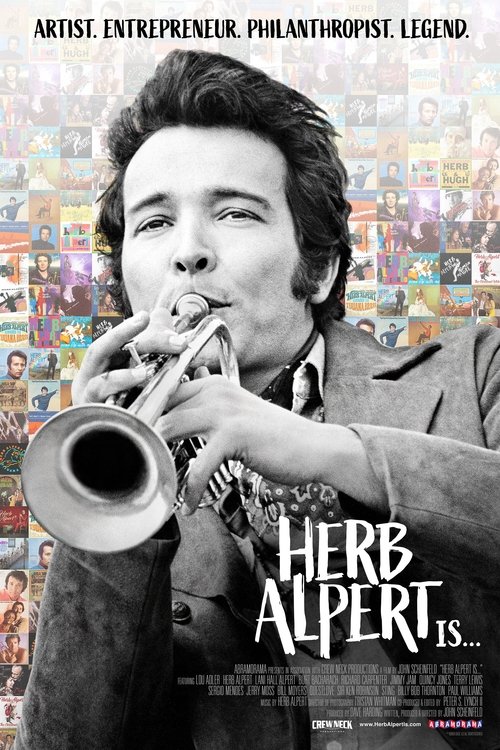
Herb Alpert Is...
2020
No user ratings available yet
Representation score: 3.8 out of 10

Representation Score
Fair
2025
TV-14Director
Yemi Oyediran
Runtime
75 minutes
Average Rating
No ratings yetNew Showbiz Analysis
King of Them All: The Story of King Records is a sophisticated historical reclamation that breaks down conventional racial barriers in music. Its primary strength lies in exploring how race and genre intersected within King Records. The documentary effectively challenges the notion of segregated musical histories by bringing together James Brown and the Stanley Brothers on the same stage. This structural approach offers a high degree of meaningful representation for Black musical traditions. However, the film seems more focused on the convergence of musical and racial elements than on specific subversions of gender or LGBTQ hierarchies. It functions as a historical record of the era's musical landscape rather than a targeted social critique.
Category Breakdown
The documentary focuses mainly on musical genre evolution and historical legacies. While the social context of the era is present, there is no explicit focus on LGBTQ narratives or character arcs.
The film centers on industry experts and legendary artists, reflecting the historical hierarchies of the mid-20th-century music industry. It serves as a historical restoration rather than a critique of gender dynamics.
The film excels by bridging Black soul traditions with Appalachian bluegrass. It highlights how King Records facilitated the blending of disparate cultural identities and provided real influence to Black artists.
By elevating regional and racial traditions to equal importance, the film challenges monolithic cultural histories. It presents a pluralistic view of American culture through the lens of musical legacy.
There is no specific evidence regarding the portrayal of physical or neurodivergent disabilities within the provided overview of the film.
Present on Screen
Limited or Absent
Official Synopsis
"King of Them All" unfolds like a listening session with history. From James Brown’s soul to the Stanley Brothers’ bluegrass, King Records shaped genres that still echo today. Guided by voices like Seymour Stein, Vince Gill, and Christian McBride, the film restores a lost legacy.
2020
2018

1994

2024
2015

2019

2014

2019
No reviews yet. Be the first to share your thoughts on this movie!
Use the rating form above to leave a star rating and optional review.