Under the Gun
2016
No user ratings available yet
Representation score: 7.0 out of 10
Representation Score
Good
2015
TV-14Director
Michael Kirk
Runtime
54 minutes
Average Rating
No ratings yetNew Showbiz Analysis
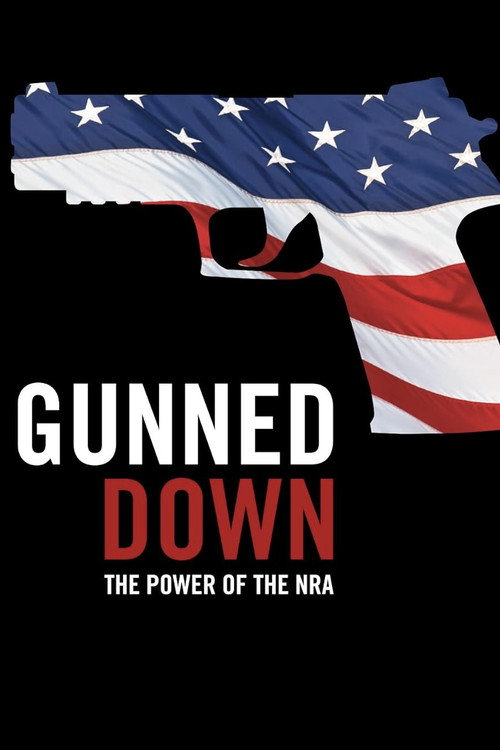
Gunned Down: The Power of the NRA is a sophisticated investigative documentary that excels at deconstructing systemic power. It provides a multi-racial perspective by featuring a wide range of interviewees, ensuring the political discussion reflects various communities. The film's primary strength is its critique of institutional influence and the intersection of religion and politics. It moves beyond simple reporting to examine how lobbying structures can override democratic norms and collective safety. However, the documentary lacks depth regarding specific identity-based narratives. It misses opportunities to center LGBTQ+ voices or provide meaningful roles to neurodivergent and disabled individuals, focusing instead on the broader political fallout.
Category Breakdown
The documentary does not include specific queer perspectives or non-cisgender identities. It does not center LGBTQ+ narratives or challenge the assumption that everyone is straight.
The film highlights female leadership through figures like Gabby Giffords. However, it often reinforces traditional masculine associations with firearm ownership and self-defense.
A diverse array of Black, White, and Hispanic interviewees provides a nuanced view. This approach avoids a monolithic depiction of the American experience.
The film effectively examines how evangelical Christianity and religious identity are used within political and capitalist frameworks. It critiques how special interests obstruct public welfare.
The narrative touches on psychological and physical trauma from mass shootings. However, these elements serve to illustrate policy failure rather than providing real power to disabled individuals.
Present on Screen
Limited or Absent
Official Synopsis
FRONTLINE investigates how the NRA uses its unrivaled political power to stop gun regulation in America. With first-hand accounts of school killings in Newtown and Columbine, and the shooting of Congresswoman Gabby Giffords, "Gunned Down" examines why, despite the national trauma over gun violence, Washington hasn't acted.
2016
2015
2016
2002
2011

2022
2015
2012
No reviews yet. Be the first to share your thoughts on this movie!
Use the rating form above to leave a star rating and optional review.