
My Effortless Brilliance
2008
No user ratings available yet
Diversity score: 6.3 out of 10
2013
RDirector
Lynn Shelton
Runtime
89 minutes
Average Rating
No ratings yetSynopsis
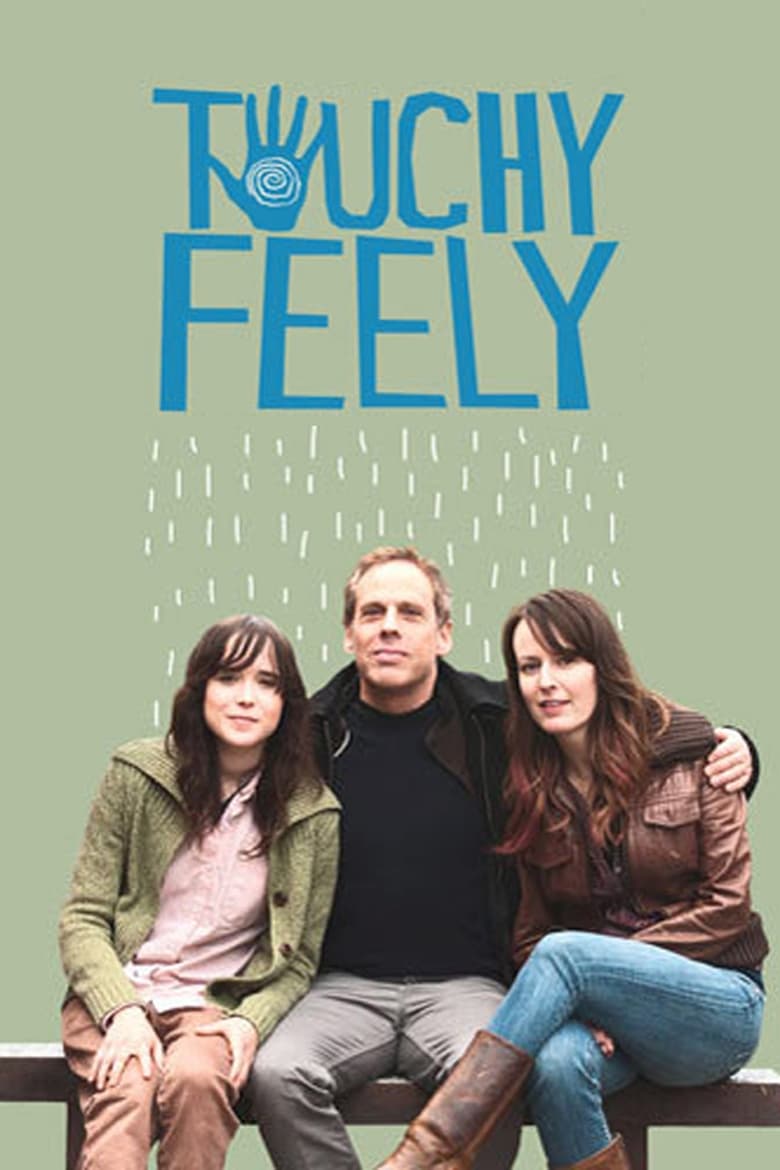
Abby is a sought after massage therapist and a free spirit, while her brother Paul thrives on routine, running a failing dental practice with his assistant and daughter Jenny. Suddenly, Abby develops an aversion to bodily contact, which not only makes her unable to do her job, but also severely affects her relationship with her boyfriend. As Abby navigates her way through an identity crisis, her brother's dental practice receives new life when clients seek out his “healing touch.”
Overall Score
Good
Category Breakdown
LGBTQ+ Representation
Queer identity is a fundamental, integrated component of the social fabric rather than a token gesture. The character Sam drives the emotional landscape, depicting same-sex intimacy with a naturalism that avoids common struggle tropes.
Gender Representation
The film disrupts conventional masculinity by exploring male vulnerability through Tom. Female characters like Eva possess significant agency, driving interpersonal dynamics and challenging traditional gender hierarchies.
Racial & Ethnic Diversity
The cast is predominantly white, reflecting a specific socioeconomic bracket of urban professionals in Seattle. The narrative lacks intersectional racial breadth and does not utilize diverse ethnic backgrounds.
Religious & Cultural Diversity
The narrative prioritizes moral relativism and secularism over traditional frameworks. It emphasizes the complexities of modern, urban existence and the fluidity of personal identity.
Disability Representation
Abby’s sudden aversion to physical contact explores neurodivergence and psychological barriers. However, this serves primarily as a catalyst for character development rather than a deep exploration of systemic accessibility.
Strengths
Areas for Improvement
AI Analysis
Touchy Feely excels as a sophisticated study of modern intimacy, particularly through its seamless integration of LGBTQ+ identities and its deconstruction of gendered stoicism. The film moves beyond performative representation to present queer and non-traditional relationship structures as lived experiences. However, the film is limited by a lack of racial and ethnic diversity. The focus remains strictly within a specific, predominantly white socioeconomic milieu in Seattle, which prevents a more intersectional perspective. Ultimately, the film succeeds in validating emotional fluidity and subjective experience, even if its exploration of psychological barriers remains centered on narrative tension rather than systemic disability issues.
2008

2015

2018

2019

1995

2017
2017

2003

2014

2009

2021

2003
No reviews yet. Be the first to share your thoughts on this movie!
Use the rating form above to leave a star rating and optional review.