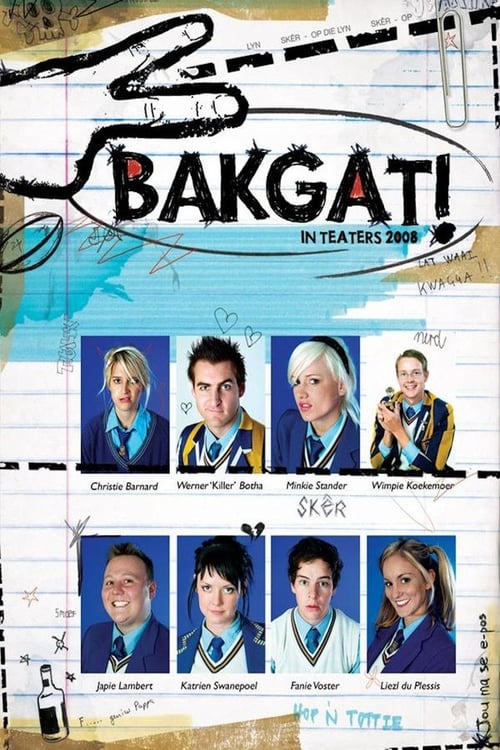
Bakgat!
2008
No user ratings available yet
Diversity score: 5.8 out of 10
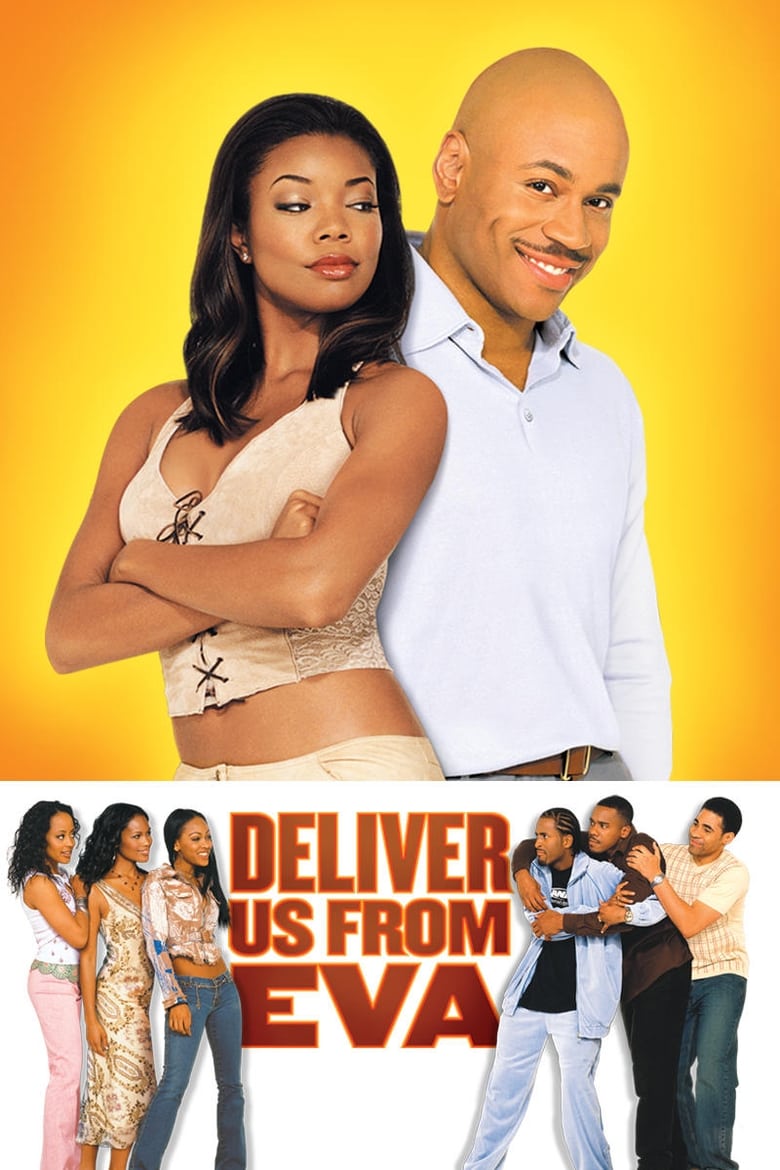
2003
RDirector
Gary Hardwick
Runtime
105 minutes
Average Rating
No ratings yetSynopsis
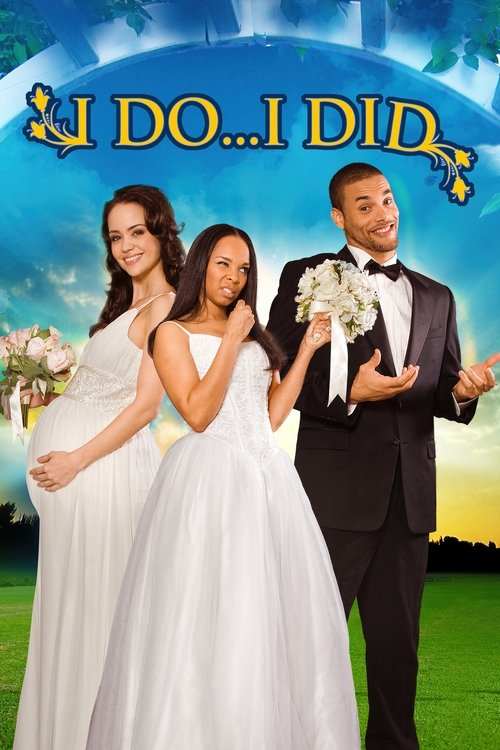
Eva Dandridge is a very uptight young woman who constantly meddles in the affairs of her sisters and their husbands. Her in-laws, who are tired of Eva interfering in their lives, decide to set her up with someone so she can leave them alone. They end up paying Ray, the local "playboy," $5,000 to date her. The plan goes by smoothly, but troubles comes when Ray actually falls in love with Eva.
Overall Score
Fair
Category Breakdown
LGBTQ+ Representation
The film follows a strictly heteronormative structure. There are no depictions of same-sex intimacy or non-cisnormative identities.
Gender Representation
Eva Dandridge subverts passive female tropes by acting as an assertive, dominant force within her family. However, her character arc eventually resolves through traditional romantic tropes.
Racial & Ethnic Diversity
The all-Black cast provides significant representation in a genre that was historically white-centric. It centers Black middle-class domesticity and familial agency.
Religious & Cultural Diversity
The story focuses on Western familial values and the tension between autonomy and duty. It lacks critiques of religion or broader social institutions.
Disability Representation
There are no visible or invisible disabilities central to the characters or the narrative arc.
Strengths
Areas for Improvement
AI Analysis
The film stands out for its racial casting, offering a rare platform for Black actors in the early 2000s romantic comedy landscape. By centering a Black middle-class family, it challenges the era's racial defaults. While the protagonist displays high agency and domestic authority, the film's thematic resolution remains conservative. The narrative ultimately settles into traditional romantic and social hierarchies, prioritizing family harmony over radical change. Overall, the work is progressive in its demographic inclusivity but traditional in its social and romantic conclusions.
2008

2001
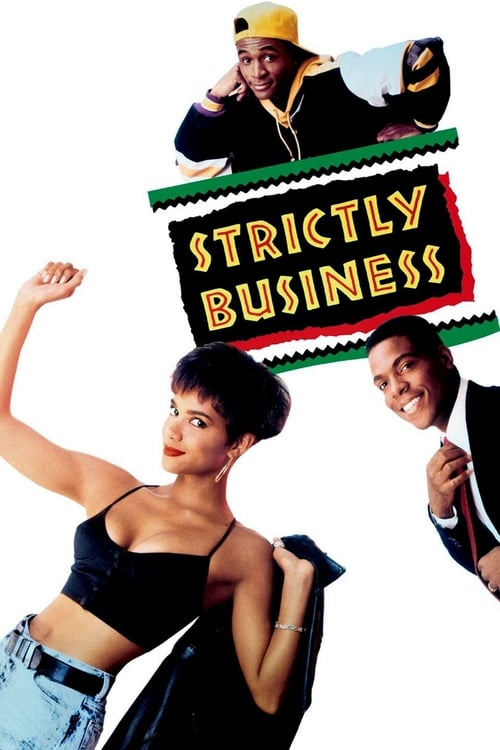
1991

2007
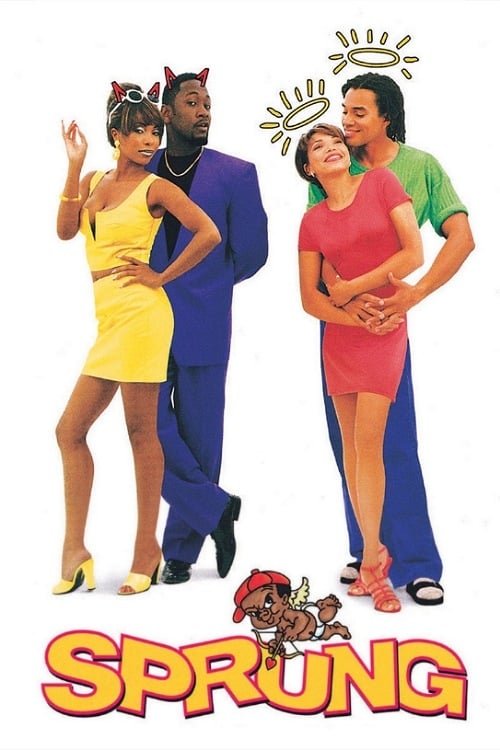
1997

2003

2020
2009
2019

2002

2015

2001
No reviews yet. Be the first to share your thoughts on this movie!
Use the rating form above to leave a star rating and optional review.