
Dolores
2016
No user ratings available yet
Representation score: 5.3 out of 10

Representation Score
Fair
1984
PGDirector
Sophia Turkiewicz
Runtime
101 minutes
Average Rating
No ratings yetNew Showbiz Analysis
Silver City is a nuanced historical drama that emphasizes the complexities of displaced populations. It successfully breaks down simplistic views of immigrant groups, presenting a mosaic of conflicting ideologies and ethnic backgrounds. The film excels in its exploration of the multi-layered identities and the friction between old-country values and new cultural assimilation. However, it remains anchored in traditional romantic and family structures and lacks representation for LGBTQ+ identities and disability.
Category Breakdown
The film focuses on traditional romantic conflicts and family structures without showing any queer identities or non-cisgender narratives.
Nina plays a key role in navigating her own journey within a restrictive social setting. The film delves into the tension between personal desires and societal obligations.
The movie highlights the diversity of Polish immigrants, including Jewish refugees, challenging the idea of a homogeneous settler society.
The story examines the internal conflicts within the immigrant community, such as political divisions and pressures from assimilation and prejudice.
There is no mention of characters with visible or invisible disabilities in the story.
Present on Screen
Limited or Absent
Official Synopsis
After World War II, 4,000 Polish families came to Australia. They were Jews, Fascists, anti-Communists, and others dispossessed. In a large hostel, where even married men and women were housed in separate barracks, the adults lived for two years while they worked off the government's payment of their passage. Even though he is married to Anna and has a son, Julian falls in love with Nina and she with him. As they and others face the new situations and prejudices that await immigrants and as they take on aspects of Australian culture, old-country values reassert themselves. Julian decides what to do about love and family, and Nina must find a way to move on.
2016

1950
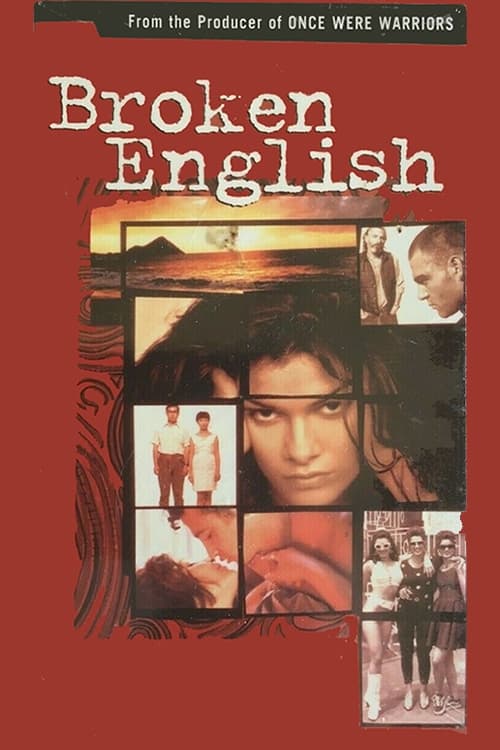
1996
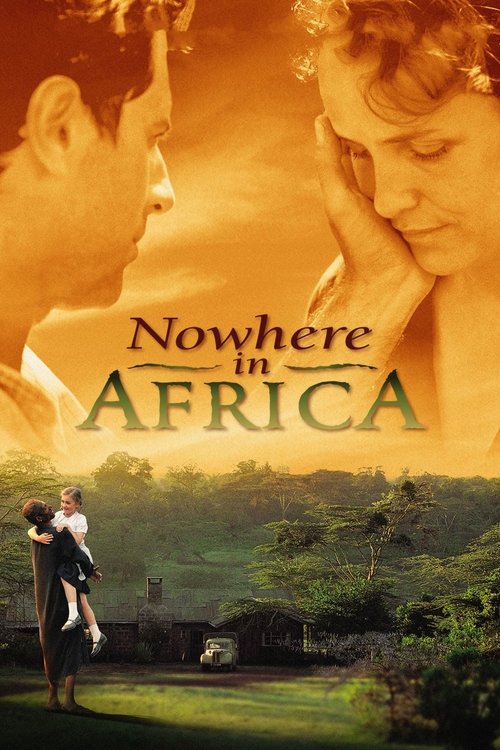
2001
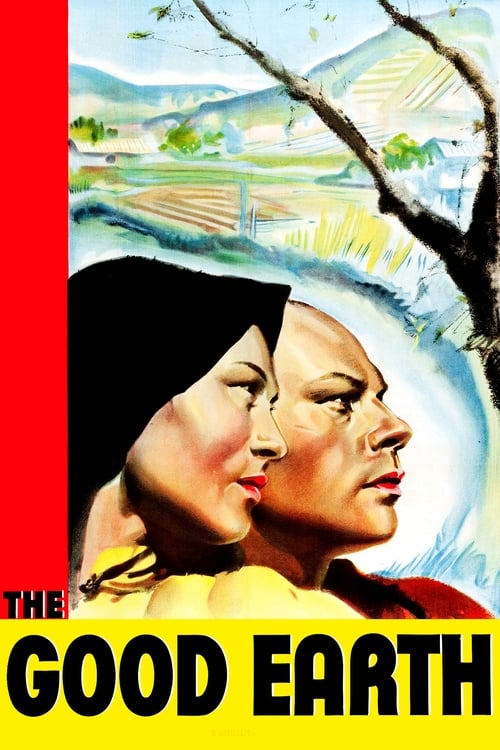
1937

1991
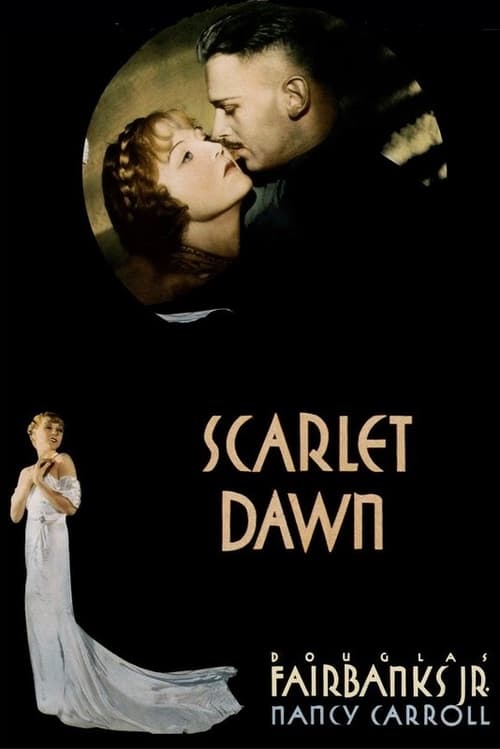
1932

2013
No reviews yet. Be the first to share your thoughts on this movie!
Use the rating form above to leave a star rating and optional review.