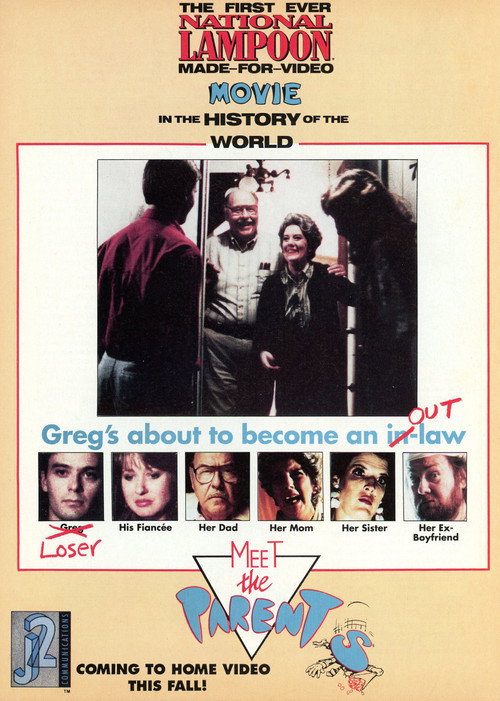
Meet the Parents
1991
No user ratings available yet
Representation score: 5.3 out of 10

Representation Score
Limited
2006
PG-13Director
Greg Glienna
Runtime
84 minutes
Average Rating
No ratings yetNew Showbiz Analysis
Relative Strangers is a character-driven study of class friction and the disruption of social expectations. The narrative prioritizes the tension between socioeconomic status and biological identity over identity-based representation. The film lacks significant markers for LGBTQ+ or disability representation, focusing instead on the collision of different social strata and the resulting familial instability.
Category Breakdown
The film does not include any characters with LGBTQ+ identities or those who do not identify with the gender they were assigned at birth. The story focuses on biological lineage and class tension rather than queer identity.
The story centers on a male protagonist navigating familial hierarchies. It uses traditional gendered clichés of class-based masculinity and domesticity without challenging these roles.
The primary tension is framed through socioeconomic disparity rather than explicit racial or ethnic conflict. There is no evidence of characters of color playing a significant role in driving the plot.
The film critiques traditional socioeconomic structures by pitting a professional against lower-class parents. This disrupts idealized depictions of the nuclear family and upward mobility.
There is no documented evidence of characters with visible or invisible disabilities. Neurodivergence or physical impairments do not appear to influence the narrative.
Present on Screen
Limited or Absent
Official Synopsis
An uptight professional meets his lower-class biological parents for the first time.
1991

2011

2004

2022

2019

2005

2011

2005
No reviews yet. Be the first to share your thoughts on this movie!
Use the rating form above to leave a star rating and optional review.