
The Professional
1981
No user ratings available yet
Diversity score: 2.5 out of 10
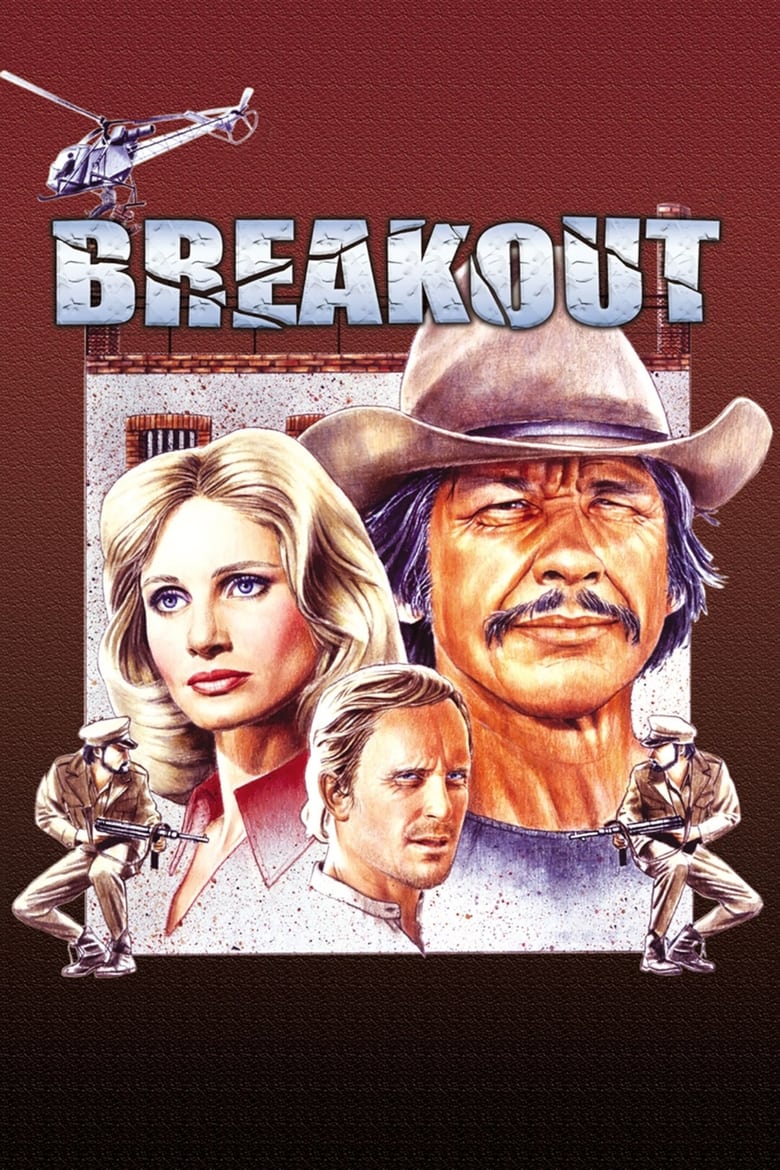
1975
PGDirector
Tom Gries
Runtime
96 minutes
Average Rating
No ratings yetSynopsis
A bush pilot is hired for $50,000 to go to Mexico to free an innocent prisoner.
Overall Score
Limited
Category Breakdown
LGBTQ+ Representation
The film contains no discernible LGBTQ+ characters or narratives. It adheres strictly to the traditional gendered expectations of 1970s action-thriller cinema.
Gender Representation
The cast is almost exclusively male, centering on a hyper-masculine environment. There is a notable absence of female agency or presence within the story.
Racial & Ethnic Diversity
The production utilizes a predominantly white cast. It follows the standard casting tropes of 1970s prison exploitation cinema without diverse ethnic ensembles.
Religious & Cultural Diversity
The narrative offers a critique of institutional authority and dehumanizing penal systems. It uses moral relativism to frame survival against an oppressive state apparatus.
Disability Representation
There are no characters with visible or invisible disabilities portrayed as central narrative drivers. No specific disability agency is present in the film.
Strengths
Areas for Improvement
AI Analysis
Breakout is a quintessential 1970s genre piece that prioritizes physical agency and systemic conflict over demographic breadth. The film operates within a narrow, hyper-masculine framework that lacks significant representation across most identity categories. While the cast is largely homogenous, the film finds its depth through a thematic critique of institutional morality. It challenges the 'law and order' archetype by portraying criminal actions as a necessary response to a brutal penal system. Ultimately, the film's lack of demographic diversity is offset only by its willingness to explore the friction between individuals and oppressive state structures.
1981

1998

2009
1979

1987

2010

1960
1997

1968
No reviews yet. Be the first to share your thoughts on this movie!
Use the rating form above to leave a star rating and optional review.