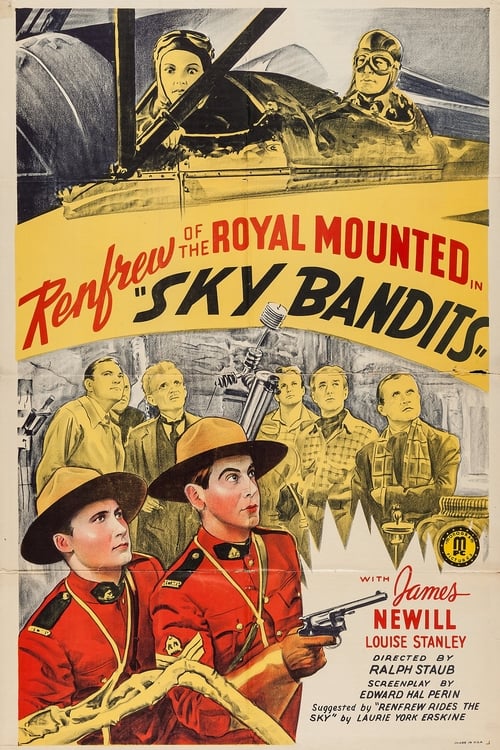
Sky Bandits
1940
No user ratings available yet
Representation score: 0.8 out of 10
Representation Score
Minimal
1936
NRDirector
Sam Newfield
Runtime
60 minutes
Average Rating
No ratings yetNew Showbiz Analysis
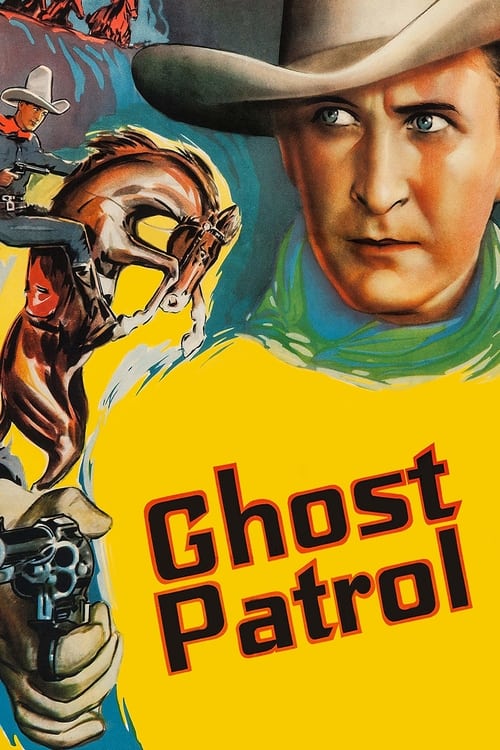
Ghost Patrol is a typical product of the 1930s Poverty Row studio system. It prioritizes efficient, formulaic storytelling through Western and crime genres without delving into complex social or systemic issues. The narrative centers on masculine heroism and individual action, relying on traditional hierarchies. The plot is driven by a mistaken identity cliché and a technological conflict, which propels the genre without offering much depth. Ultimately, the film functions as a standard genre hybrid, reinforcing the social and cultural norms of its time without the multi-layered complexity or subversive character studies found in more progressive works.
Category Breakdown
The film does not include any characters with non-binary or transgender identities. The story revolves around a male-focused conflict and a typical romantic subplot set within the social norms of the 1930s.
Male characters such as Tim and Dawson play significant roles in the story. Women are portrayed in more passive, traditional roles within the narrative.
The predominantly white cast reflects the Anglo-Saxon focus typical of 1930s cinema. The story centers on characters fitting the homogeneous casting standards of the era.
The story upholds traditional Western values related to justice and property. It emphasizes individual morality and social order without challenging existing cultural norms.
There are no characters dealing with physical or neurological conditions. Scientific elements are used as plot devices rather than exploring disabilities.
Present on Screen
Limited or Absent
Official Synopsis
A Professor has an invention that will bring down planes causing them to crash and Dawson is forcing him to use it on those carrying money. When Tim arrives to investigate he is mistaken for a noted outlaw. So he assumes that identity to force Dawson to make him a partner. But just as a plane bringing Tim help is arriving, his true identity is revealed and while he is a prisoner, Dawson forces the Professor to start his machine.
1940

1951
1949
1936
1937
1939
1938
1935
No reviews yet. Be the first to share your thoughts on this movie!
Use the rating form above to leave a star rating and optional review.