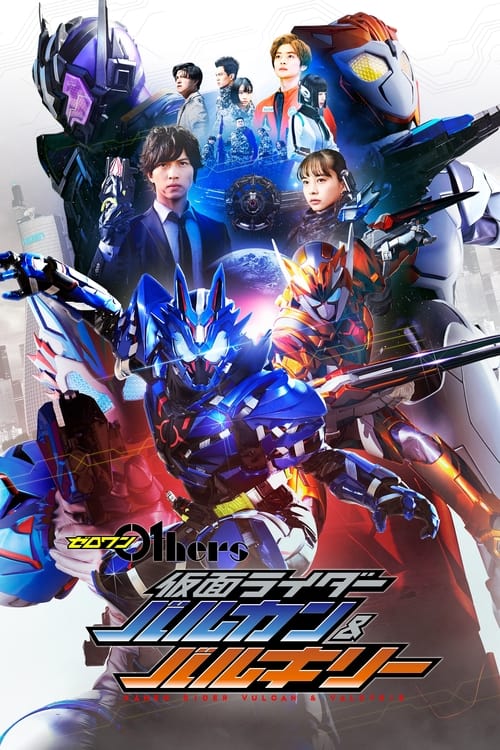
Zero-One Others: Kamen Rider Vulcan & Valkyrie
2021
No user ratings available yet
Representation score: 7.2 out of 10
Representation Score
Fair
2023
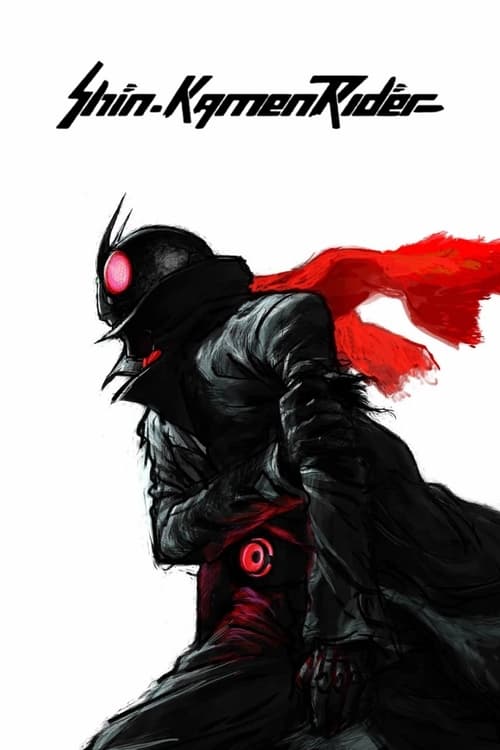
NRDirector
Hideaki Anno
Runtime
121 minutes
Average Rating
No ratings yetNew Showbiz Analysis
Hideaki Anno’s deconstruction of the hero archetype adds significant thematic depth, particularly in questioning systemic oppression and individual ability to act. The film challenges simple good-versus-evil clichés to explore moral relativism. However, the film lacks broad representation of different identities. It sticks to a traditional casting approach and a narrow perspective on gender, race, and LGBTQ+ issues. Ultimately, the work emphasizes a sophisticated critique of authority while remaining anchored in a relatively narrow demographic lens.
Category Breakdown
The film follows a traditional framework that assumes everyone is straight and cisgender. There are no non-traditional gender identities or same-sex relationships among the main characters.
The story focuses mainly on the male experience of trauma and physical change. Ruriko Midorikawa, as a rebel, plays a significant role in the protagonist's emotional journey but her role is limited.
Set in a specific historical Japanese context, the film has a relatively homogeneous cast. It avoids harmful stereotypes but does not actively seek diverse representation.
The film excels in critiquing institutional power and totalitarianism. It portrays SHOCKER as a dehumanizing system that disrupts conventional respect for authority.
Cyborg augmentation is explored as a profound loss of natural humanity and a source of psychological trauma. The narrative presents this altered state as a complex identity struggle.
Present on Screen
Limited or Absent
Official Synopsis
A man forced to bear power and stripped of humanity. A woman skeptical of happiness. Takeshi Hongo, an Augmentation made by SHOCKER, and Ruriko Midorikawa, a rebel of the organization, escape while fighting off assassins. What’s justice? What’s evil? Will this violence end? Despite his power, Hongo tries to remain human. Along with freedom, Ruriko has regained a heart. What paths will they choose?
2021
2002
2024
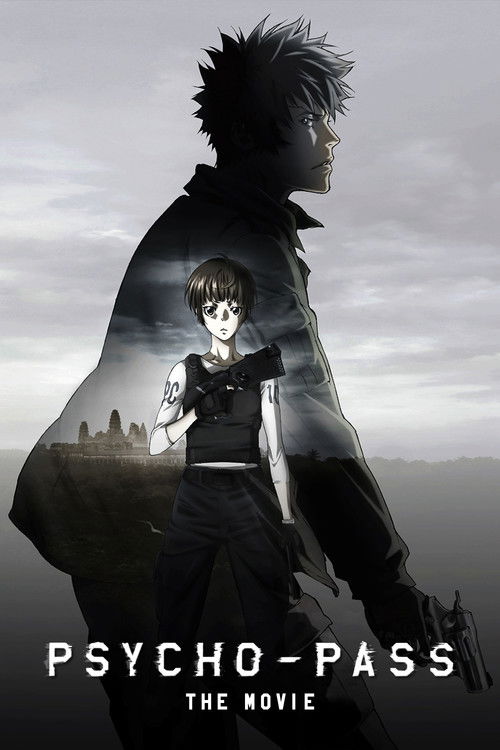
2015
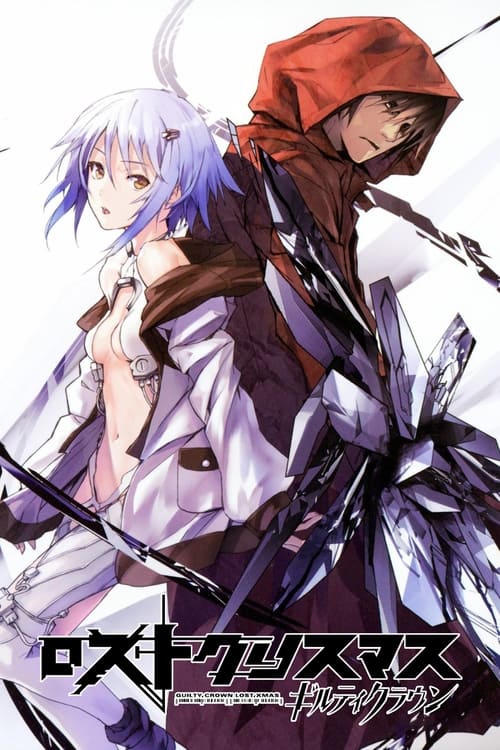
2012
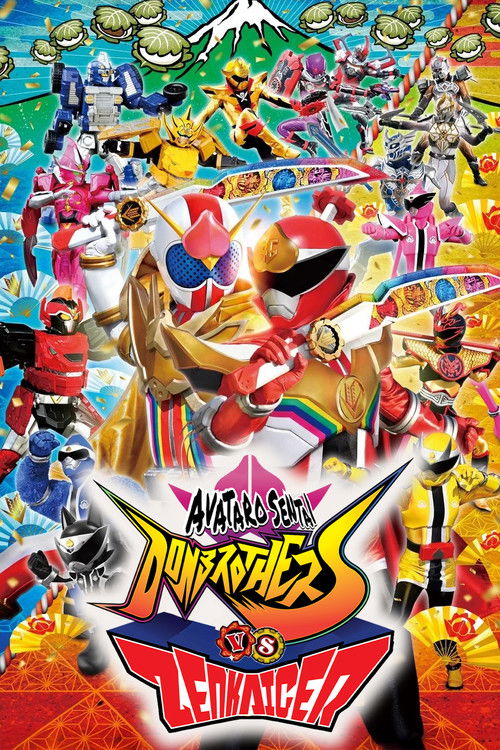
2023
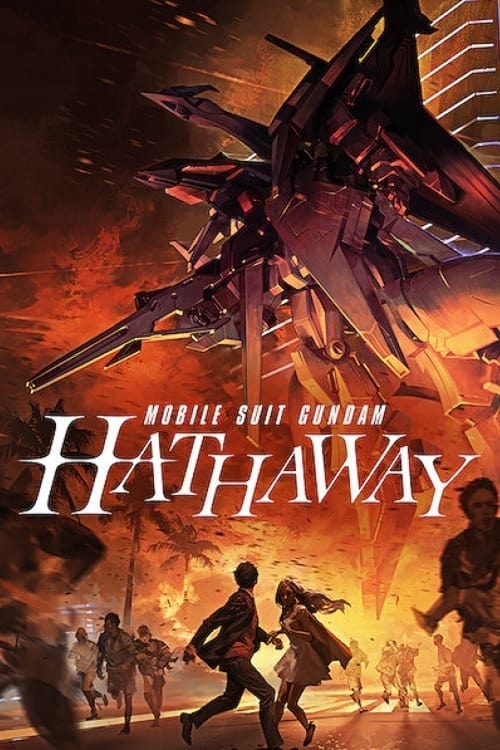
2021
2019
No reviews yet. Be the first to share your thoughts on this movie!
Use the rating form above to leave a star rating and optional review.