
Scheherazade's 1002nd Night
1985
No user ratings available yet
Representation score: 5.3 out of 10
Representation Score
Limited
1986
Director
Tim Burton
Runtime
47 minutes
Average Rating
No ratings yetNew Showbiz Analysis
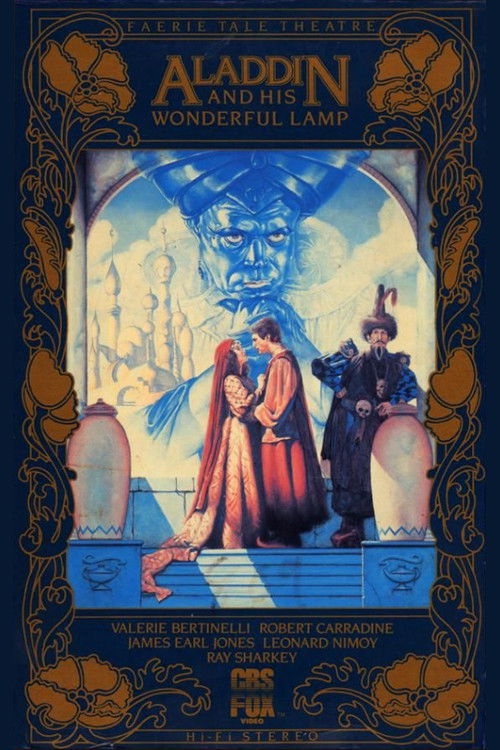
Tim Burton's 1986 adaptation of 'Aladdin and His Wonderful Lamp' provides moderate inclusion, primarily through its casting choices. The presence of James Earl Jones offers a meaningful departure from the homogeneity common in 1980s fantasy films. However, the film remains largely tied to the traditional narrative structures of its era. It lacks explicit subversion of social hierarchies or multi-layered character's ability to drive the story, keeping diversity focused on individual casting rather than systemic narrative shifts. Ultimately, the work functions as a stylized interpretation of folklore that prioritizes classic storytelling over modern social representation.
Category Breakdown
The production does not include any visible LGBTQ+ identities or queer narratives. This absence is typical for 1980s television anthology series.
Valerie Bertinelli provides a central female presence alongside Robert Carradine. While the film likely follows traditional fairy tale archetypes, Burton's direction may offer stylistic subversion.
The casting of James Earl Jones is a significant indicator of racial diversity. This approach challenges traditional Western-centric casting norms by using a color-blind method for the Middle Eastern setting.
The film explores magic and destiny through a stylized, surrealist lens. It avoids specific religious morality, focusing instead on the fantasy elements of the folklore.
There is no information available regarding the depiction of physical or neurodivergent characters in this production.
Present on Screen
Limited or Absent
Official Synopsis
Based on the story "Aladdin and His Wonderful Lamp", directed by Tim Burton and starring Robert Carradine.
1985
1994

1990
1992

1979
1968

1993
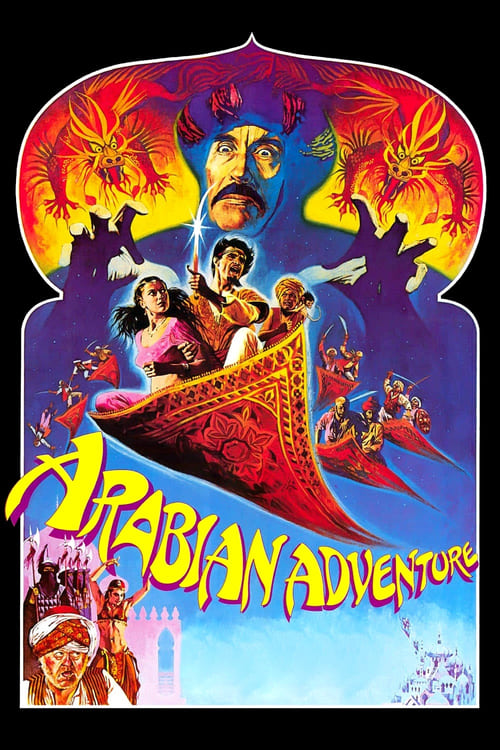
1979
No reviews yet. Be the first to share your thoughts on this movie!
Use the rating form above to leave a star rating and optional review.