Find another title
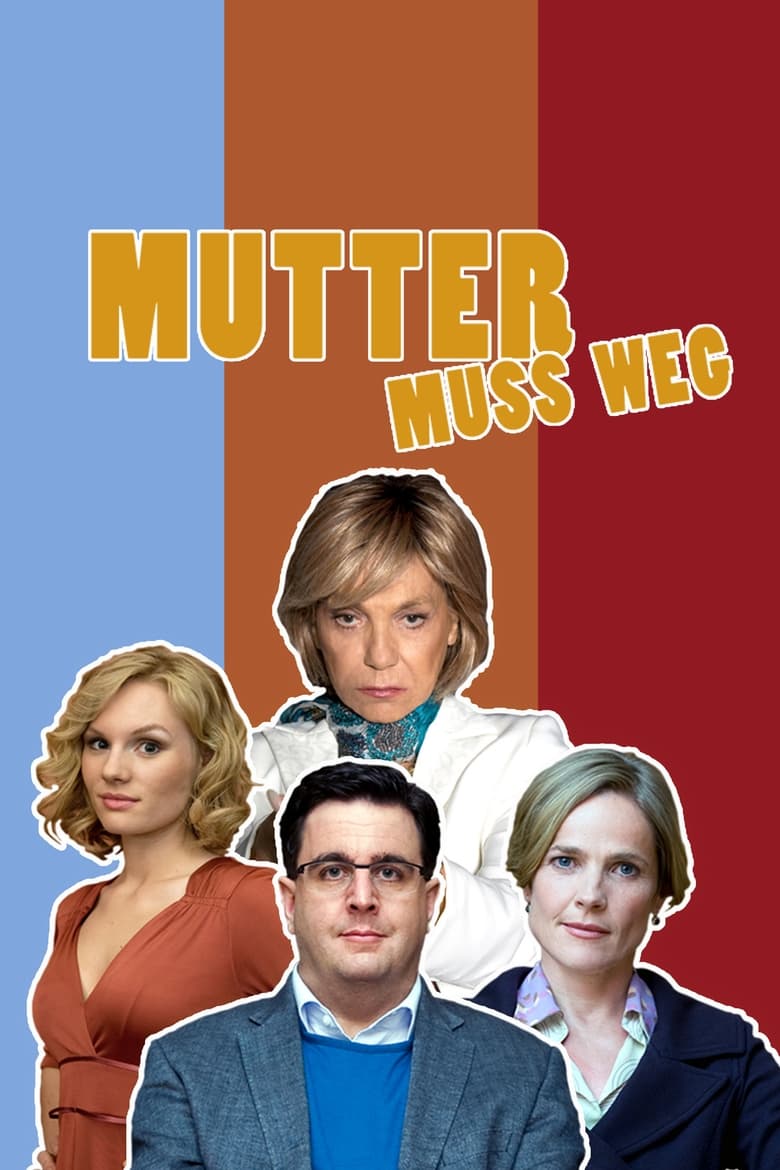
Mom's Gotta Go
2012
Director
Edward Berger
Runtime
89 minutes
Average Rating
No ratings yetSynopsis
Adult dreamer Tristan still lives under his mother's thumb. After she has a health scare, he realizes how much he wants her gone... permanently.
Where to Watch
Diversity & Representation
Overall Score
Limited
Category Breakdown
LGBTQ+ Representation
The film lacks LGBTQ+ characters or themes of same-sex intimacy. The narrative architecture remains centered on traditional heteronormative familial structures.
Gender Representation
The story disrupts conventional maternal roles by exploring the friction between duty and autonomy. It subverts the 'nurturer' trope through a complex, self-interested character arc.
Racial & Ethnic Diversity
The production features a homogeneous cast primarily composed of Caucasian actors. It reflects a localized German demographic without integrating diverse ethnic or racial identities.
Religious & Cultural Diversity
The narrative deconstructs the idealization of the nuclear family by critiquing traditional Western structures. It focuses on the psychological breakdown of domestic hierarchies rather than systemic political critiques.
Disability Representation
A health scare serves as a plot device to trigger conflict rather than exploring lived experiences of disability. Characters with disabilities lack central agency in the story.
Strengths
- Subverts the traditional 'nurturer' trope by presenting complex, self-interested maternal characters.
- Challenges the sanctity of the nuclear family through a critique of traditional Western domestic structures.
Areas for Improvement
- Lacks representation of LGBTQ+ identities and non-cisnormative perspectives.
- Maintains a homogeneous cast that lacks racial and ethnic diversity.
- Uses medical fragility as a plot device rather than exploring authentic disability experiences.
AI Analysis
Mom's Gotta Go is a character study that finds its strength in subverting domestic tropes. By challenging the sanctity of the idealized parent, the film offers a progressive look at gendered expectations and maternal autonomy. However, the film remains trapped within a very narrow demographic framework. The lack of intersectional diversity—specifically regarding race, LGBTQ+ identities, and disability—significantly limits its social breadth. Ultimately, while the film succeeds in deconstructing familial power dynamics, it does so through a largely homogeneous lens that adheres to traditional casting norms.
Rate this Movie
Reviews
No reviews yet. Be the first to share your thoughts on this movie!
Use the rating form above to leave a star rating and optional review.