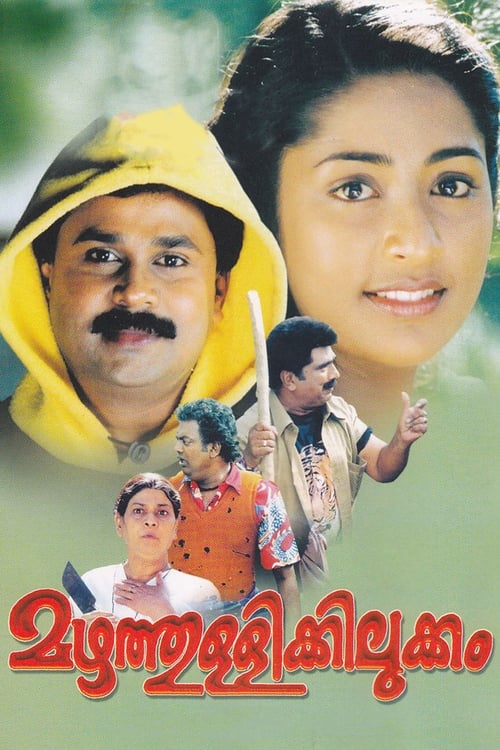
Mazhathullikkilukkam
2002
No user ratings available yet
Representation score: 3.4 out of 10

Representation Score
Fair
2003
Director
Jayaraj
Runtime
147 minutes
Average Rating
No ratings yetNew Showbiz Analysis
Thilakkam is a character-driven domestic drama that prioritizes the emotional complexities of familial reconciliation and mental health. By centering a neurodivergent character as the primary driver of the plot, the film provides a platform for exploring disability within a traditional narrative structure. However, the film operates within a largely conventional framework, lacking evidence of LGBTQ+ representation or significant subversion of gender hierarchies. While the film does not engage in systemic identity politics, its status as a regional Indian production contributes to a more diverse global cinematic landscape by offering a non-Western perspective on humanistic themes.
Category Breakdown
The film focuses on traditional father-son relationships and does not include any representation of LGBTQ+ identities or non-cisgender perspectives.
The story revolves around the reunion of a father and son, emphasizing conventional gender roles typical of early 2000s regional cinema.
As a regional Indian production, the film provides a culturally specific perspective that challenges Western-centric cinematic norms.
The story centers on traditional family values and the sanctity of the parent-child bond, highlighting personal moral struggles within a family unit.
Neurodivergence is central to the plot, focusing on a character navigating mental illness. This places the story’s emphasis on the lived experience of mental health.
Present on Screen
Limited or Absent
Official Synopsis
Padmanabhan reunites with his son after many years of separation, but his happiness is short-lived when he realises that his son is mentally ill.
2002
1990

2018

2006

1987

2012

1996

2006
No reviews yet. Be the first to share your thoughts on this movie!
Use the rating form above to leave a star rating and optional review.