Strange Planet
1999
No user ratings available yet
Representation score: 4.0 out of 10
Representation Score
Limited
1996
RDirector
Shirley Barrett
Runtime
101 minutes
Average Rating
No ratings yetNew Showbiz Analysis
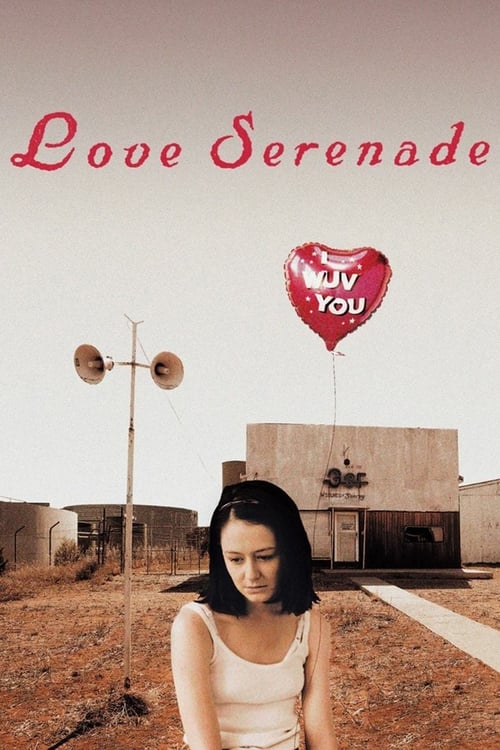
Love Serenade shifts the focus to the internal lives of its female characters, avoiding the traditional male-centric narrative structure. However, the film lacks racial and LGBTQ+ diversity, reflecting a narrow social scope typical of the 1990s rural setting. While the film successfully challenges traditional gender roles, its limited characters who reflect more than one aspect of diversity results in a lower diversity score.
Category Breakdown
The narrative focuses on a heterosexual rivalry between two sisters and does not include any queer identities or non-cisgender narratives.
The film highlights the emotional lives and competitive drives of its female characters, presenting a modern take on women's ability to drive the story. It challenges traditional masculinity by portraying the male lead as self-centered and brooding.
Set in a rural Australian town, the film depicts a relatively homogeneous community with no significant racial diversity or non-Anglo-Saxon representation.
The story emphasizes personal intimacy and individual emotional truth over communal or religious structures, adopting a modern, secular approach to character development.
There are no depictions of physical or neurodivergent disabilities that affect the narrative arc.
Present on Screen
Limited or Absent
Official Synopsis
Two sisters in an Australian country town develop a fierce and competitive crush on their new neighbour, a brooding and self-centred radio personality.
1999

1995

2004
1999
1996
1999
1999
1990
No reviews yet. Be the first to share your thoughts on this movie!
Use the rating form above to leave a star rating and optional review.