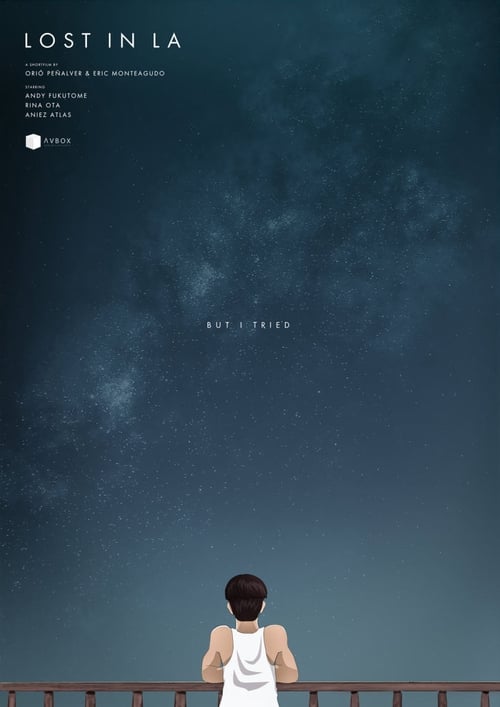
Lost in L.A.
2020
No user ratings available yet
Representation score: 5.4 out of 10
No Poster Available
Representation Score
Fair
1997
RDirector
Yoshifumi Hosoya
Runtime
87 minutes
Average Rating
No ratings yetNew Showbiz Analysis
Sleepy Heads offers a moderate level of inclusion by centering an East Asian protagonist within a Western setting. This provides a valuable perspective on cultural transition and immigrant experiences. However, the film remains a conventional character-driven drama. It lacks depth regarding multi-layered issues, particularly concerning the subversion of gender hierarchies or the inclusion of LGBTQ+ identities. Ultimately, while the film succeeds in diversifying the urban narrative through its focus on the Japanese diaspora, it follows standard dramatic clichés rather than pursuing an intentionally multi-layered or systemic critique.
Category Breakdown
The film focuses on a traditional romance between Hiro and Akiko, with no explicit representation of LGBTQ+ identities or critiques of the assumption that everyone is straight or cisgender.
Akiko is portrayed as a central figure, but her role adheres to typical dramatic archetypes. The narrative does not delve deeply into women's ability to drive the story or the subversion of gender hierarchies.
The story provides meaningful representation by focusing on the Japanese diaspora. Centering a Japanese protagonist in New York disrupts traditional Anglo-centric views of the urban experience.
The film explores themes of cultural displacement through the immigrant experience. However, it primarily functions as a personal journey of aspiration rather than a critique of Western institutions.
The narrative does not include characters dealing with physical, neurodivergent, or mental health conditions.
Present on Screen
Limited or Absent
Official Synopsis
Hiro moves from Japan to New York with the dream of becoming a singer-songwriter. Once he meets the lovely Akiko, however, the lives and the lives of his friends Akira and Ken will never be the same.
2020

2005

2006

1998

2009

2019

2007
2001
No reviews yet. Be the first to share your thoughts on this movie!
Use the rating form above to leave a star rating and optional review.