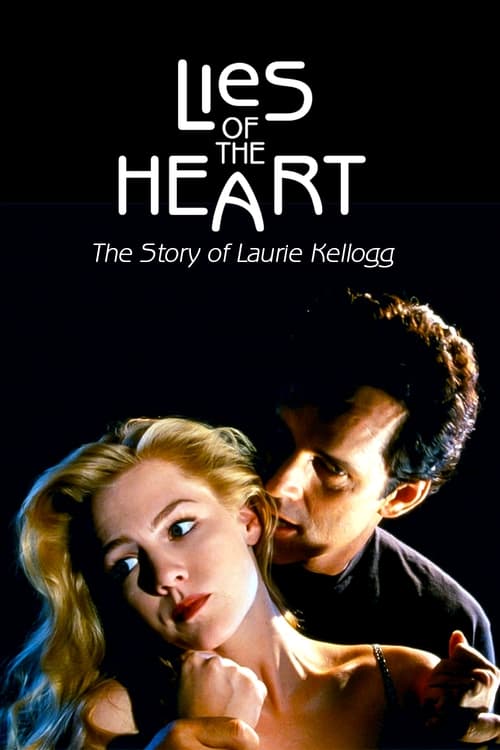
Lies of the Heart: The Story of Laurie Kellogg
1994
No user ratings available yet
Diversity score: 6.0 out of 10

1999
PG-13Director
Michael Toshiyuki Uno
Runtime
87 minutes
Average Rating
No ratings yetSynopsis
Accomplished horse trainer is deceived by her husband, unfairly sent to prison, and she re-makes herself and eventually gains revenge.
Overall Score
Limited
Category Breakdown
LGBTQ+ Representation
The film lacks any depiction of non-cisnormative identities or same-sex intimacy. The central conflict revolves around a traditional marital betrayal.
Gender Representation
The story centers on a female protagonist who demonstrates significant agency. She moves from being a victim of domestic deception to a self-actualized agent through her professional expertise.
Racial & Ethnic Diversity
There is no indication of a non-white majority cast or diverse ethnic perspectives. The narrative focuses strictly on the protagonist's personal and professional trajectory.
Religious & Cultural Diversity
The film critiques the reliability of social institutions by framing the legal system as an instrument of injustice. It explores moral relativism through the lens of revenge.
Disability Representation
The narrative does not feature neurodivergence, physical disability, or mental health conditions as central character traits or plot elements.
Strengths
Areas for Improvement
AI Analysis
A Face to Kill for is a character-driven drama that finds its strength in the subversion of gendered expectations. By centering on a professional horse trainer who reclaims her power after incarceration, the film avoids common tropes of female helplessness. However, the film lacks intersectional depth. The narrative architecture is built around a personal arc of retribution rather than a broader systemic social critique, leaving significant gaps in representation. While the protagonist's journey offers a meaningful portrayal of empowerment, the work remains narrow in its scope, failing to integrate diverse racial, sexual, or disability-based perspectives.
No reviews yet. Be the first to share your thoughts on this movie!
Use the rating form above to leave a star rating and optional review.