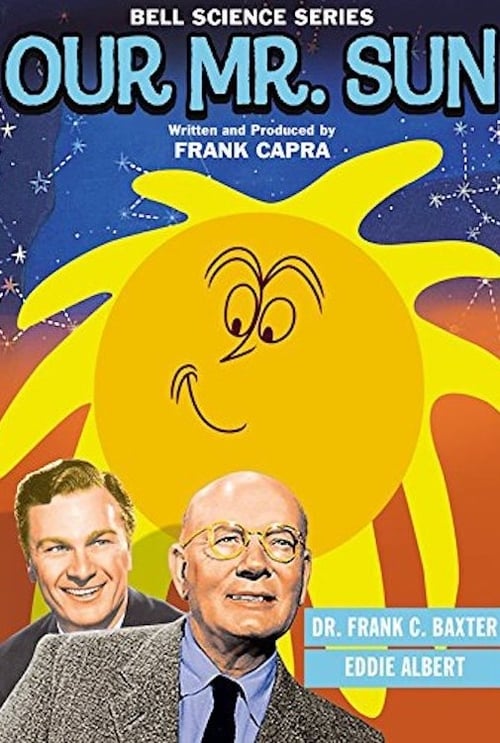
Our Mr. Sun
1956
No user ratings available yet
Representation score: 0.5 out of 10
Representation Score
Minimal
1955
TV-GDirector
Ward Kimball
Runtime
53 minutes
Average Rating
No ratings yetNew Showbiz Analysis
Ward Kimball’s animated documentary serves as a historical and scientific survey of lunar fascination. It prioritizes the progression of human knowledge, moving from mythic superstition to the dawn of the space age through whimsical, non-verbal animation. The film functions as a pedagogical tool rather than social commentary. By focusing on the transition from myth to science, it relies on universalized, historically homogeneous human archetypes to facilitate its narrative. Because the work is centered on celestial mechanics and scientific advancement, it lacks interpersonal dynamics or character-driven drama. This results in a narrow, Western-centric view of human history and identity.
Category Breakdown
The film does not depict any sexual orientations or gender identities. Its focus on celestial mechanics and historical references excludes any engagement with LGBTQ narratives.
The narrative centers on a singular, generic male figure representing 'Man.' It lacks female characters, operating within a vacuum that defaults to a masculine perspective of exploration.
Visuals focus on universalized archetypes through a mid-century animation aesthetic. The representation remains Western-centric, lacking significant presence of diverse racial or ethnic identities.
The film celebrates human curiosity through the lens of Western intellectual history. It traces lunar influence via Western literature and song rather than diverse global perspectives.
There is no representation of physical or neurodivergent identities. Characters serve as idealized, functional vessels for surrealist gags and scientific simulations.
Present on Screen
Limited or Absent
Official Synopsis
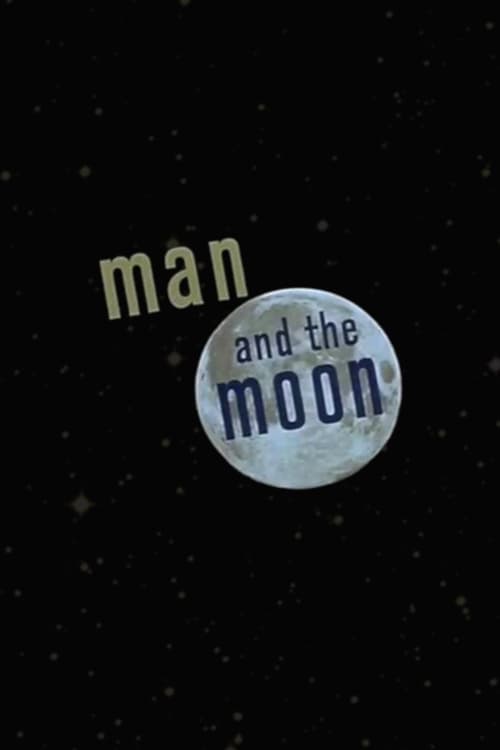
The moon is the subject here. Man's fascination with the moon (via animation) is presented, as is the moon's usage in popular culture (from Shakespeare to nursery rhymes to popular songs). Also, superstitions and suppositions associated with the moon is presented. Then scientific research on the moon is shown, followed by plans for (and then a simulation of) an actual trip around the moon.
1956
1989

1955
2022
1965
2019
2005
2018
No reviews yet. Be the first to share your thoughts on this movie!
Use the rating form above to leave a star rating and optional review.