Ghostbusters
2016
No user ratings available yet
Representation score: 9.0 out of 10
Representation Score
Good
2021
PG-13Director
Jason Reitman
Runtime
124 minutes
Average Rating
No ratings yetNew Showbiz Analysis
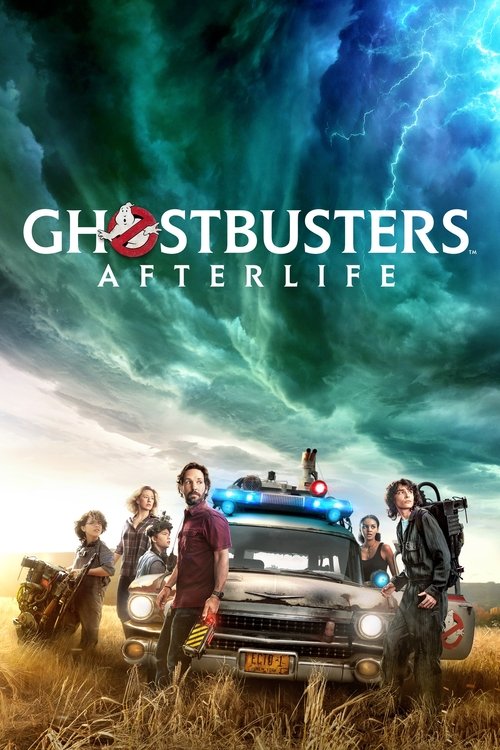
Ghostbusters: Afterlife succeeds in modernizing the franchise by shifting the focus from a male ensemble to a female-led family unit. The film excels at challenging gendered archetypes, particularly through Phoebe Spengler, whose technical brilliance and neurodivergent perspective drive the plot forward. This provides a meaningful and empowering portrayal of cognitive diversity. However, the film remains limited by its demographic scope. The cast is largely homogeneous, reflecting a traditional white, working-class profile that lacks racial and multi-layered depth. Additionally, the narrative stays within conventional boundaries, offering little representation for LGBTQ+ identities. Ultimately, the film is a study in generational legacy that trades broad social diversity for a focused, character-driven exploration of scientific ability to act and neurodivergent empowerment.
Category Breakdown
The film follows a conventional narrative structure regarding romantic and sexual orientation. It focuses on the familial bonds of the central unit and lacks representation of non-cisgender identities.
The story disrupts traditional hierarchies by centering a female-led household. Callie Spengler acts as a capable decision-maker, while Phoebe Spengler challenges expectations through her scientific intellect and technical mastery.
The cast is relatively homogeneous, focusing on a white, working-class family in rural Oklahoma. The narrative does not actively pursue diverse racial blending or casting.
The film prioritizes a secular, investigative worldview over religious frameworks. It explores themes of legacy and scientific inquiry, often pitting empirical curiosity against established authority.
Phoebe Spengler’s neurodivergent traits are central to her identity and scientific aptitude. The film frames her unique cognitive processing as a source of empowerment rather than a plot device.
Present on Screen
Limited or Absent
Official Synopsis
When single mom Callie and her two kids Trevor and Phoebe arrive in a small Oklahoma town, they begin to discover their connection to the original Ghostbusters and the secret legacy their grandfather left behind.
2016

2005

2019
2004
1989

2020
2020
1998
No reviews yet. Be the first to share your thoughts on this movie!
Use the rating form above to leave a star rating and optional review.