Sideshow Wrestlers
1908
No user ratings available yet
Representation score: 0.4 out of 10
Representation Score
Limited
1950
Director
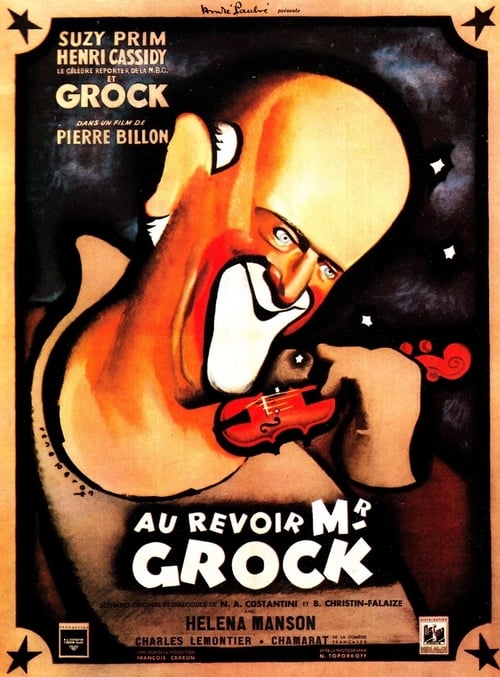
Pierre Billon
Runtime
107 minutes
Average Rating
No ratings yetNew Showbiz Analysis
Pierre Billon’s biographical drama celebrates the legacy of a Swiss artist through a traditional storytelling approach. The film prioritizes historical accuracy and preservation over any attempt to challenge social norms. The narrative is grounded in mid-20th-century European values, emphasizing individual success within established social hierarchies. It does not address systemic power dynamics or diverse identities. Overall, the film reflects the homogeneous social landscape of its time, presenting a traditional view of a celebrated cultural figure without questioning existing cultural or gendered structures.
Category Breakdown
The film does not include any LGBTQ+ identities or queer subtext. It operates within a framework that assumes everyone is straight and cisgender.
The film follows traditional gender roles typical of the mid-20th century. Countess Barinoff is a prominent female character but her role emphasizes her admiration for the male lead.
The story focuses on a Swiss performer with a minor international element through the inclusion of a Russian countess. However, it lacks depth in representing diverse racial backgrounds.
The narrative highlights Western institutions and European aristocracy, reinforcing traditional social orders without challenging cultural norms.
The film does not center on physical or mental disabilities. The protagonist's eccentric behavior is portrayed as part of his professional clown persona, rather than exploring neurodivergence.
Present on Screen
Limited or Absent
Official Synopsis
The life of Adrien Wettach, famous in the annals of the circus under the name of Grock, world famous Swiss clown. A series of images from Épinal, retracing the career of a European artist, within the framework of world history. Lots of children, wars, an eccentric Russian countess, Countess Barinoff, who grows old admiring the clown, and a very long quibble about a party wall, all serve to highlight the star's final number.
1908
1950

2005

2016

1935
1979

1954
1964
No reviews yet. Be the first to share your thoughts on this movie!
Use the rating form above to leave a star rating and optional review.