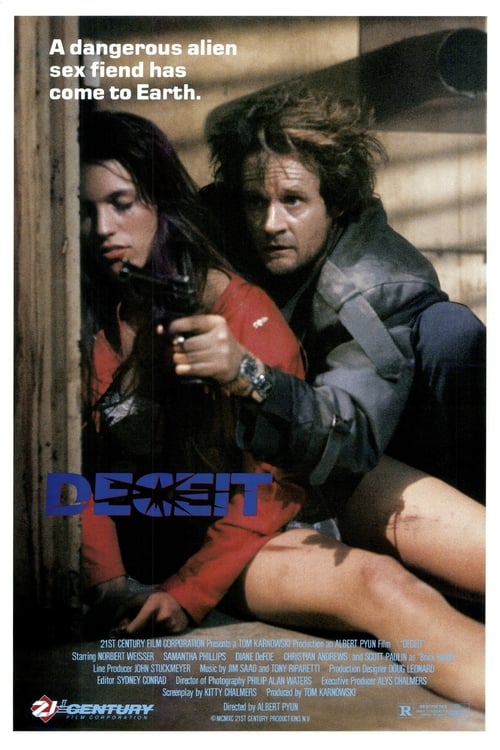
Deceit
1992
No user ratings available yet
Representation score: 0.6 out of 10

Representation Score
Minimal
1978
Director
Mario Gariazzo, Gianfranco Baldanello
Runtime
86 minutes
Average Rating
No ratings yetNew Showbiz Analysis
This 1978 Italian comedy adheres to the genre clichés of its time, focusing on comedic pursuits rather than social complexity. The plot centers on three male students trying to deceive an astronomy teacher through manipulation. The film does not intentionally address diverse representation. It upholds traditional hierarchies, especially in how it portrays gender and social dynamics, without challenging the status quo. Ultimately, the film serves as a conventional genre piece reflecting the demographic and social norms of late 1970s European cinema without attempting to disrupt established social structures.
Category Breakdown
The film does not include any characters with non-binary or transgender identities. It focuses solely on heterosexual relationships and does not provide any representation of LGBTQ+ individuals.
The movie follows traditional gender roles where the female character is portrayed as an object of desire. There is no evidence of women taking active roles or showing intellectual leadership.
The film seems to follow the typical demographic makeup of 1970s European cinema. It does not feature a diverse cast or actors from different racial backgrounds.
The story revolves around personal deception without addressing broader social issues. It operates within conventional social frameworks without challenging traditional moral or cultural norms.
There is no mention of characters with physical or cognitive disabilities in the film.
Present on Screen
Limited or Absent
Official Synopsis
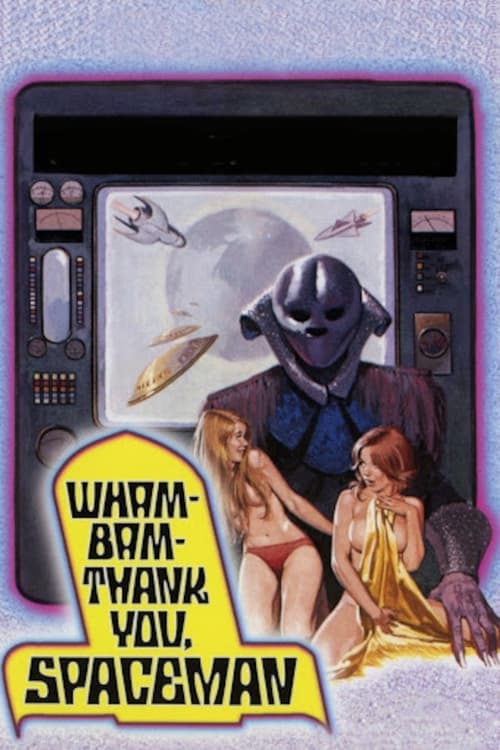
Three nerdy students who have the hots for their sexy astronomy teacher hit upon the idea of pretending to be outer-space aliens, in the hopes of tricking her into going to bed with them.
1992

1981

1956

1979
1974

1988

1964

1985
No reviews yet. Be the first to share your thoughts on this movie!
Use the rating form above to leave a star rating and optional review.