
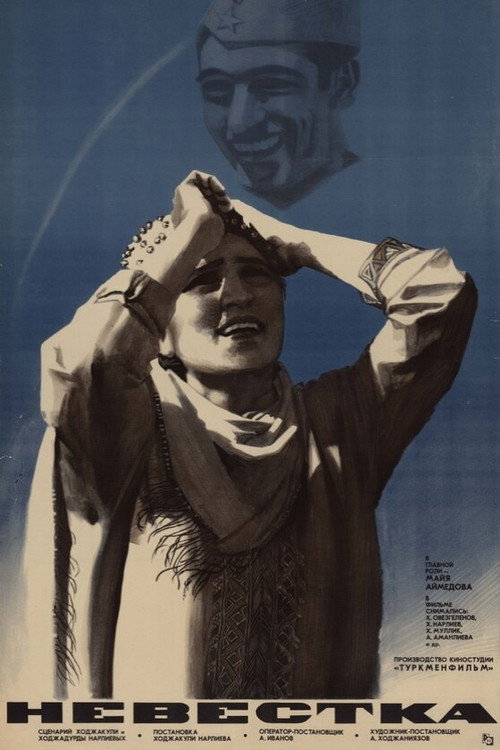
Hassan-Aga's Wife
1967
No user ratings available yet
Representation score: 5.0 out of 10
Representation Score
Limited
1972
Director
Khodzha Kuli Narliyev
Runtime
81 minutes
Average Rating
No ratings yetNew Showbiz Analysis
The film functions as a regional character study within the Uzbek film industry. By focusing on Central Asian identity and the specific desert landscape, it offers a unique non-Western perspective. Although the protagonist is a central figure in exploring female resilience, the narrative remains largely confined by traditional social structures and wartime duties. This restricts the film's capacity to actively challenge established hierarchies. Overall, the work stands as a significant example of regional storytelling that emphasizes collective struggle and traditional ideas of sacrifice over contemporary progressive frameworks.
Category Breakdown
The film does not include any LGBTQ+ characters or stories that go beyond traditional heterosexual relationships. It focuses on families and wartime losses.
The story revolves around a female protagonist who deals with personal loss and duty. Despite facing traditional constraints, the film emphasizes her internal thoughts and emotions, making her a central figure in understanding her resilience.
Being an Uzbek production, the film showcases a Central Asian cast and setting. This provides important representation of non-Western cultures and geographic realities.
The narrative delves into the weight of tradition and the importance of the family unit. It highlights the systemic pressures placed on women within these social structures.
The film does not include any characters with visible or invisible disabilities.
Present on Screen
Limited or Absent
Official Synopsis
A woman whose husband has been killed in WWII lives with her father-in-law in the desert. She cannot leave and go back to her family, because that would mean the end of hope that her husband, a heroic pilot, might return one day.
1967

1970
1974

1979
1961
1968

1980
1989
No reviews yet. Be the first to share your thoughts on this movie!
Use the rating form above to leave a star rating and optional review.