'E'
1981
No user ratings available yet
Representation score: 3.5 out of 10
Representation Score
Minimal
1969
GDirector
Břetislav Pojar
Runtime
15 minutes
Average Rating
No ratings yetNew Showbiz Analysis
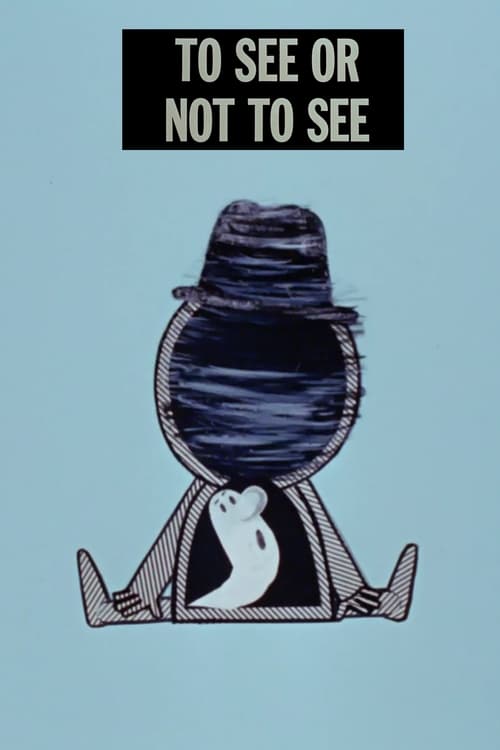
To See or Not to See is a philosophical animation that emphasizes intellectual exploration over diverse representation. Its strength lies in its conceptual depth, using a scientist's invention to question the reliability of human senses and the nature of truth. Since the film is a short animation focused on a single concept, it doesn't have enough narrative space to develop diverse character identities. The focus remains on the philosophical tension between personal perception and objective reality rather than social representation. Overall, the film serves as a sophisticated critique of how humans perceive the world, even though it doesn't feature a wide range of character types.
Category Breakdown
The film does not include any LGBTQ+ characters or stories related to queer identities. It does not address assumptions about straight relationships either.
The main character is a scientist, but the film doesn't provide specific details about gender roles or dynamics. There is no mention of female characters or gender hierarchies.
The film does not give details about the racial or ethnic backgrounds of its characters. Because it is an animated film with a short runtime, specific demographic information is unavailable.
The story explores ideas about subjective reality by questioning traditional beliefs and social truths. This philosophical approach challenges the idea of absolute certainty in human perception.
The film does not explicitly show neurodivergent conditions or physical disabilities. However, the central theme involving altered vision might hint at sensory experiences.
Present on Screen
Limited or Absent
Official Synopsis
A scientist develops an unusual pair of eyeglasses which allows the wearer's mind to see things objectively rather than the usual subjective manner.
1981

1988
1969
1987
1967
1963
1984
1986
No reviews yet. Be the first to share your thoughts on this movie!
Use the rating form above to leave a star rating and optional review.