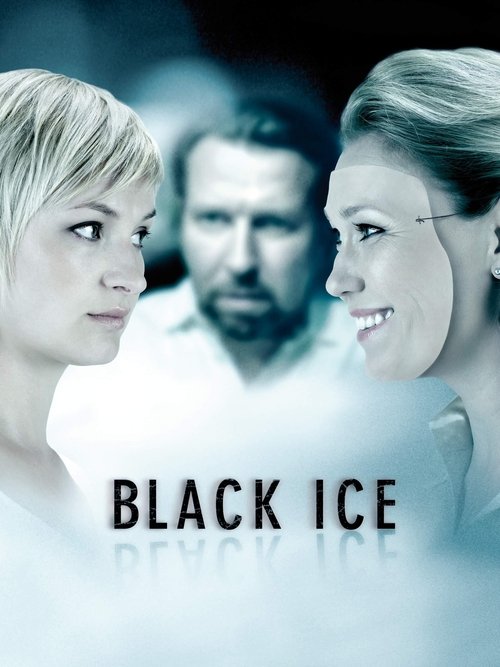
Black Ice
2007
No user ratings available yet
Representation score: 4.8 out of 10

Representation Score
Limited
2008
Director
Judith Kennel
Average Rating
No ratings yetNew Showbiz Analysis
Die Lüge is a psychological thriller that prioritizes a localized study of individual identity and class boundaries. The narrative uses the doppelgänger cliché to explore how social roles are performed and exchanged between two women. While the film provides meaningful female-driven ability to act by placing women at the center of a high-stakes game, it lacks broader multi-layered breadth. The focus remains on the psychological implications of deception rather than systemic diversity. Ultimately, the film functions as a character study of social facades. It succeeds in disrupting conventional expectations through persona, but fails to incorporate diverse racial, cultural, or LGBTQ+ perspectives.
Category Breakdown
The film does not include any LGBTQ+ characters or stories focused on queer themes. The main conflict revolves around class and identity rather than sexual orientation.
The story centers on women's ability to drive the story through the protagonists Nadja and Susanne. By focusing on their transactional identity exchange, the film avoids traditional male-centric thriller clichés.
The premise suggests a focus on socio-economic distinctions within a likely homogeneous European context. There is no indication of a multi-ethnic cast.
The film explores moral ambiguity and situational ethics through the concept of switching places. It examines the transactional nature of identity and social structures.
There is no evidence of characters with physical or neurodivergent disabilities within the narrative.
Present on Screen
Limited or Absent
Official Synopsis
Financial advisor Nadja Trenkler and housewife Susanne Lasko look like twin sisters. When they happen to run into each other in the elevator one day, Nadja suggests to her doppelgänger that they occasionally switch places for a fee.
2007
2007
1946
1964

2018

2011

2022

2017
No reviews yet. Be the first to share your thoughts on this movie!
Use the rating form above to leave a star rating and optional review.