Thomas Pesquet : Objectif Mars
2018
No user ratings available yet
Representation score: 2.4 out of 10
Representation Score
Limited
2016
Director
Jonathan Halperin, Shaul Schwarz
Runtime
56 minutes
Average Rating
No ratings yetNew Showbiz Analysis
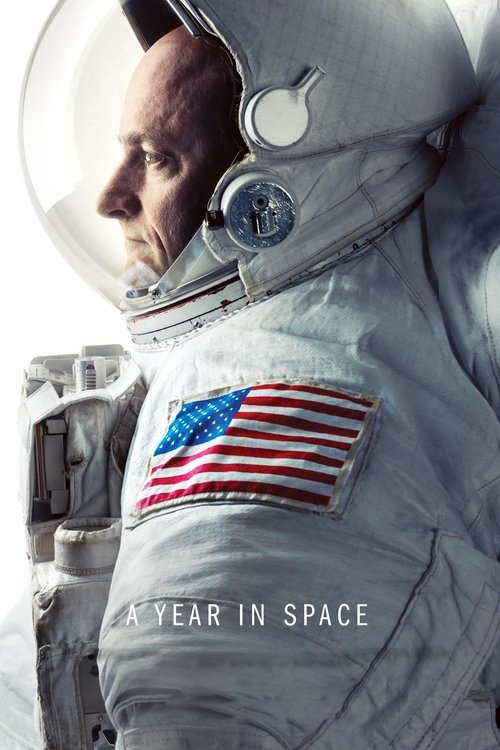
A Year in Space serves primarily as a technical and observational record of human endurance. It prioritizes scientific empiricism and the biological study of the Kelly twins over social commentary or the deconstruction of identity politics. The documentary adheres to traditional institutional frameworks, focusing on professional achievements within NASA and the International Space Station. This approach reflects existing aerospace demographics without challenging them. Overall, the film lacks the intentionality needed to disrupt social or cultural hierarchies, functioning instead as a standard biographical and scientific document.
Category Breakdown
There are no LGBTQ+ characters or narratives in the film. It focuses solely on scientific and professional aspects without addressing LGBTQ+ issues.
The film highlights the professional capabilities of astronauts, featuring both male and female crew members. However, the focus remains on technical skills and biological responses.
The documentary reflects the current demographic makeup of the aerospace industry, which is predominantly Western. It does not include significant examples of race-bent casting.
The film emphasizes scientific inquiry and institutional achievements. It upholds the value of Western scientific institutions like NASA without questioning traditional structures.
The physical changes caused by microgravity are presented as biological data points. The film does not provide narratives highlighting the experiences of neurodivergent or physically disabled individuals.
Present on Screen
Limited or Absent
Official Synopsis
Follow astronaut Scott Kelly's 12-month mission on the International Space Station, from launch to landing, as NASA charts the effects of long-duration spaceflight by comparing him to his identical twin on Earth, astronaut Mark Kelly.
2018

2007
2016
2013
2010
2022
2016
1989
No reviews yet. Be the first to share your thoughts on this movie!
Use the rating form above to leave a star rating and optional review.