
Two Shots Fired
2014
No user ratings available yet
Diversity score: 5.5 out of 10
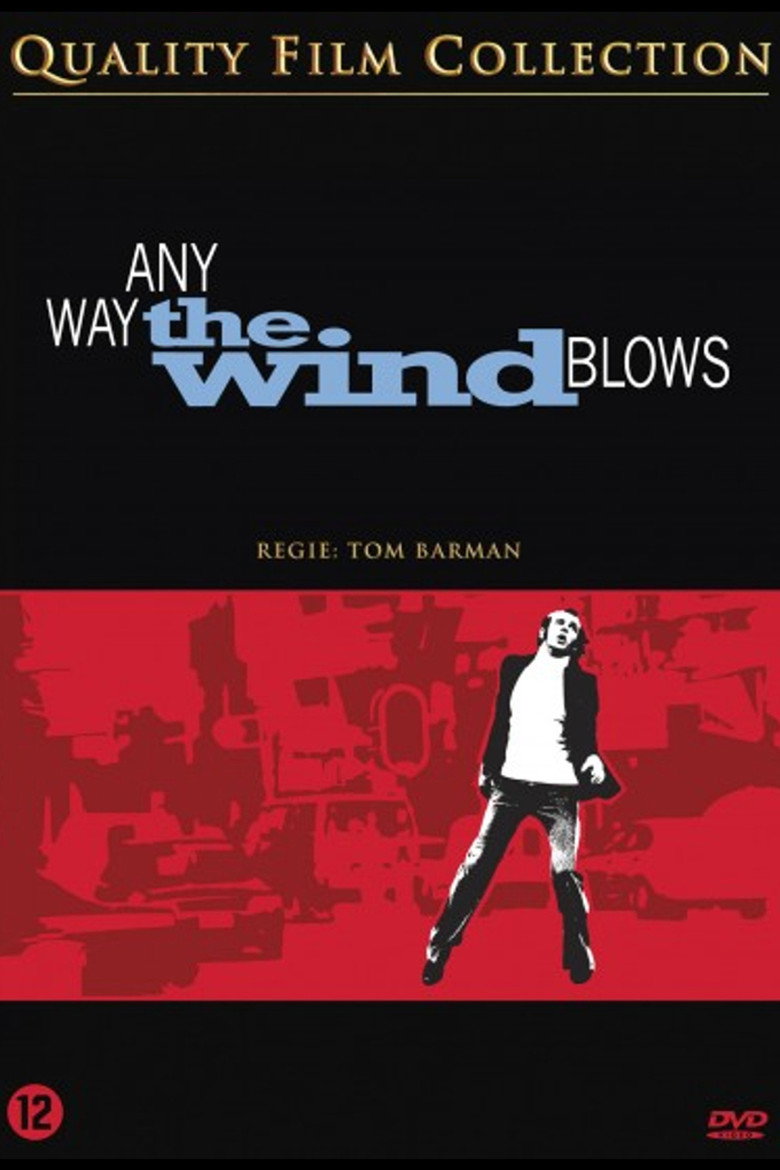
2003
Director
Tom Barman
Runtime
127 minutes
Average Rating
No ratings yetSynopsis
Antwerp, at the beginning of June. On a sunny Friday, eight people dream of having a different life. There's wind and music, police and paranoia, gossip and fighting. There's an old virus, an astrayed frisbee, a dead horse, and a mysterious person called Windman. In the evening there's a party …
Overall Score
Fair
Category Breakdown
LGBTQ+ Representation
The film utilizes an ensemble structure focused on interconnected urban lives. While explicit queer identities are not confirmed, the emphasis on social friction suggests potential for non-traditional dynamics.
Gender Representation
By centering on eight disparate individuals, the film avoids singular hero archetypes. This decentralized approach disrupts traditional masculine leadership hierarchies through a character-driven exploration of agency.
Racial & Ethnic Diversity
The Antwerp setting implies a cosmopolitan, multicultural environment. Themes of paranoia and social tension suggest the narrative explores the friction inherent in diverse urban populations.
Religious & Cultural Diversity
The enigmatic Windman serves as a metaphor for systemic empathy and the breakdown of individualistic paradigms. The film prioritizes existential inquiry over traditional Western values of stability.
Disability Representation
The Windman functions as a metaphysical representation of shared suffering. It remains unclear if this symbolizes psychological vulnerability or serves as a purely symbolic plot device.
Strengths
Areas for Improvement
AI Analysis
Tom Barman’s background in avant-garde music informs a non-linear, atmospheric narrative that favors social observation over traditional moralism. The film succeeds in disrupting conventional storytelling by focusing on a collective, fragmented experience rather than individualistic achievement. However, the film lacks explicit evidence regarding specific identity-based representations. While the ensemble structure provides a platform for diverse perspectives, the narrative often leans into metaphysical metaphors rather than concrete character identities. Ultimately, the work functions as a postmodern critique of social order. It trades clear-cut heroics for an exploration of human connection and existential ambiguity within a sweltering, urban landscape.
2014
1984
2011
2011
2010
2012
2018

2021

2000
2004
2015
2020
No reviews yet. Be the first to share your thoughts on this movie!
Use the rating form above to leave a star rating and optional review.