Haute Cuisine
2012
No user ratings available yet
Representation score: 2.9 out of 10
Representation Score
Fair
2006
Not RatedDirector
Coky Giedroyc
Runtime
80 minutes
Average Rating
No ratings yetNew Showbiz Analysis
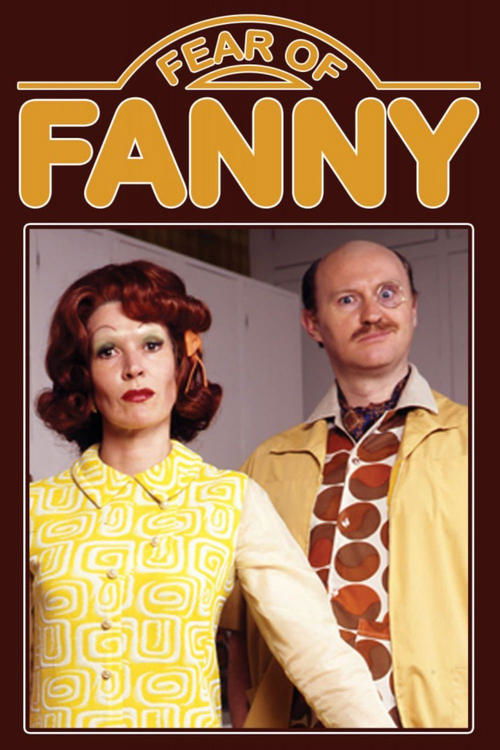
Fear of Fanny is a character-driven study of gendered ability to act set against the backdrop of mid-century Britain. The film's primary strength lies in its focus on a powerful, non-conforming female protagonist who challenges the submissive femininity expected of the era. However, the historical setting limits broader diversity representation. The narrative appears constrained by the demographic homogeneity of the period, resulting in low scores for racial and LGBTQ+ diversity. Ultimately, the film functions as an exploration of individual rebellion against social norms rather than a systemic critique of institutional power.
Category Breakdown
The film does not include any explicit LGBTQ+ characters or narratives. The score reflects the historical context where such identities were often sidelined.
Fanny Cradock disrupts mid-century gender roles by commanding a public platform. Her strong personality and professional dominance challenge the traditional domestic female archetype of the time.
The narrative likely reflects the homogeneous demographics of mid-20th century British media. There is no evidence of a diverse cast to counter the era's social constraints.
Centering on a controversial public figure allows the film to portray her as a systemic outsider. It potentially deconstructs traditional social respectability through her reputation.
There is no verifiable information regarding the depiction of physical or neurodivergent disabilities in this biographical drama.
Present on Screen
Limited or Absent
Official Synopsis
The bizarre tale of Fanny Cradock, Britain's famous and maligned TV chef from 50s to the 70s.
2012
2010
2014
1965
2006

2001

2021

2013
No reviews yet. Be the first to share your thoughts on this movie!
Use the rating form above to leave a star rating and optional review.