
Treasure Island
1982
No user ratings available yet
Representation score: 4.0 out of 10
Representation Score
Minimal
1934
NRDirector
Victor Fleming
Runtime
103 minutes
Average Rating
No ratings yetNew Showbiz Analysis
Victor Fleming’s adaptation is a classic example of the 1930s studio system, emphasizing traditional adventure stories over social criticism. The film upholds the patriarchal and colonial structures of its time through its casting and narrative design. While the film lacks diversity in gender and ethnicity, it offers depth through its character development. Long John Silver provides a layer of moral ambiguity that complicates the typical hero-villain dichotomy. Overall, the film tells a traditional story of maritime conflict and wealth pursuit, reflecting the homogeneous social standards of early Hollywood.
Category Breakdown
The film does not depict any LGBTQ+ identities or same-sex relationships. The main storyline focuses on the mentorship between Jim Hawkins and Long John Silver.
The film is dominated by male characters, with very few opportunities for women to take leading roles. There are almost no female characters, making the film fail the Bechdel test.
The cast is primarily white and Anglo-Saxon, reflecting the casting standards of the 1930s. The film uses colonial-era clichés about discovering new lands without showing diverse ethnic backgrounds.
The story introduces moral complexity through Long John Silver's character, which includes nuanced beliefs. However, it does not criticize Western institutions, focusing instead on individual greed within a colonial setting.
Long John Silver’s missing limb is central to his pirate identity. This portrayal emphasizes a rugged archetype rather than exploring the lived experience of disability.
Present on Screen
Limited or Absent
Official Synopsis
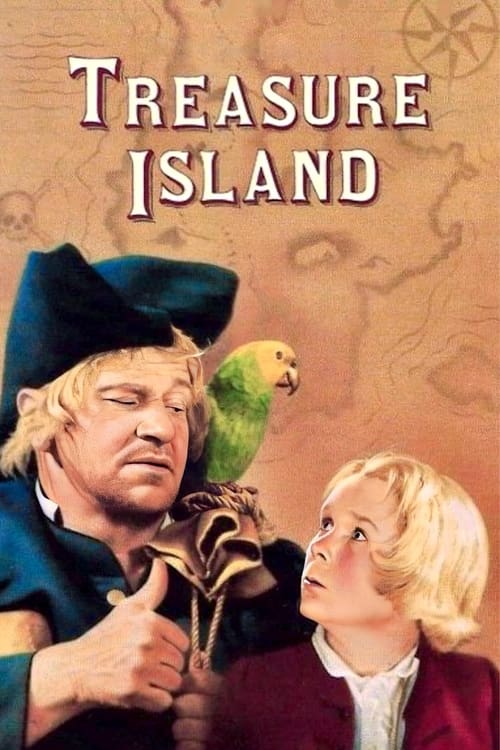
In this early film adaptation of the classic novel by Robert Louis Stevenson, young Jim Hawkins is caught up with the pirate Long John Silver in search of buccaneer Captain Flint's buried treasure.
1982
1950

1972

1970
1971
1989
1937
1939
No reviews yet. Be the first to share your thoughts on this movie!
Use the rating form above to leave a star rating and optional review.