First Snow
2006
No user ratings available yet
Representation score: 5.1 out of 10
Representation Score
Fair
1994
Director
João Botelho
Runtime
68 minutes
Average Rating
No ratings yetNew Showbiz Analysis
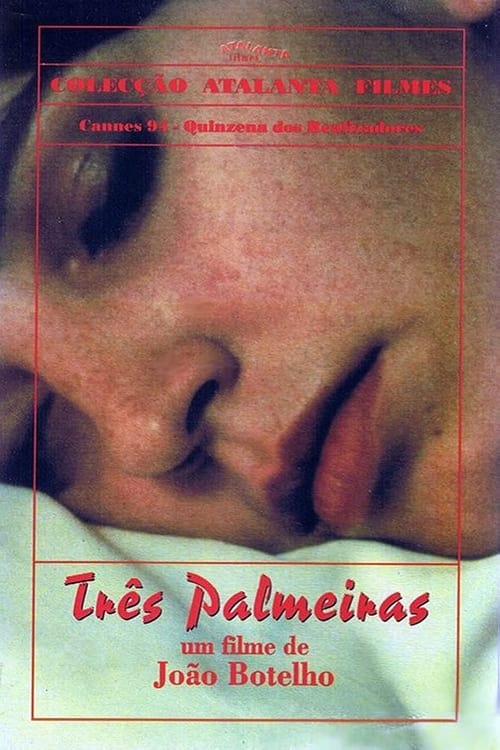
Three Palm Trees is a tightly focused drama centered on the internal struggles and physical challenges of a woman during childbirth. By compressing the narrative into a single eight-hour window, the film emphasizes female subjectivity and disrupts traditional cinematic structures. While the film successfully elevates a specific female experience, it lacks broader diversity. The narrative appears rooted in a specific European urban context without evidence of diverse racial or LGBTQ+ representation. Ultimately, the film serves as an intimate, psychological study rather than a broad social commentary, resulting in a score that reflects its specialized focus.
Category Breakdown
The film focuses on a woman's labor, and there is no clear evidence of LGBTQ+ characters or narratives that question the assumption that everyone is straight or cisgender.
The film highlights women's ability to drive the story by focusing on the eight-hour period of childbirth. This shifts the focus away from patriarchal structures that typically sideline female physiological experiences.
Set in Lisbon, the film likely reflects the demographics of the city during the time period. There is no specific evidence of diverse racial or cultural representation.
The story follows a secular, existentialist approach by emphasizing the individual experience of childbirth. It prioritizes a naturalist perspective over religious or communal celebrations of birth.
The documentation provides no information regarding the depiction of physical or cognitive disabilities.
Present on Screen
Limited or Absent
Official Synopsis
Lisbon, on a winter day in 1994, between six and fourteen o'clock. A forty-year-old woman despairs in the last eight hours preceding the birth of her first child.
2006
1976

2004

2006
2018
1983

2003
1978
No reviews yet. Be the first to share your thoughts on this movie!
Use the rating form above to leave a star rating and optional review.