
Fishtales
2017
No user ratings available yet
Representation score: 2.8 out of 10
Representation Score
Limited
2012
GDirector
Mark A.Z. Dippé, Taedong Park
Runtime
80 minutes
Average Rating
No ratings yetNew Showbiz Analysis
The film relies heavily on conventional hero myths and binary moral structures common in family animation. The narrative prioritizes traditional archetypes, such as the masculine protector, which limits the depth of its social representation. While the film includes a proactive female character like Nerissa, the primary storyline remains driven by male-led conflict. This creates a hierarchy favoring traditional gender roles over more complex distributions of power. Ultimately, the anthropomorphic nature of the characters obscures racial and cultural identities, resulting in a homogeneous framework. The film functions as standard entertainment but lacks the intentionality to challenge established social hierarchies.
Category Breakdown
The film centers on traditional family dynamics and Pi's role as a father. There are no characters with non-straight or non-cisgender identities, nor any same-sex relationships.
Pi embodies a traditional masculine hero, emphasizing physical strength. While Nerissa acts as a proactive leader, the plot remains driven by male-led conflict.
The anthropomorphic characters lack explicit racial or ethnic markers. Though the voice cast is diverse, the narrative does not explore multi-layered themes or meaningful ethnic representation.
The story follows typical Western narratives of individual heroism and binary morality. It emphasizes the protection of the family unit and the restoration of order without critiquing broader societal issues.
Themes of medical intervention appear through Troy's experience with painful vaccines, but this serves as villainous victimization. No characters have disabilities as a central part of their identity.
Present on Screen
Limited or Absent
Official Synopsis
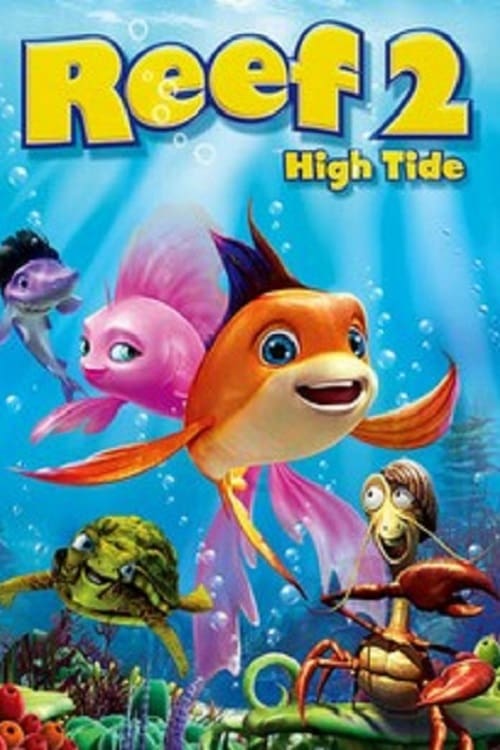
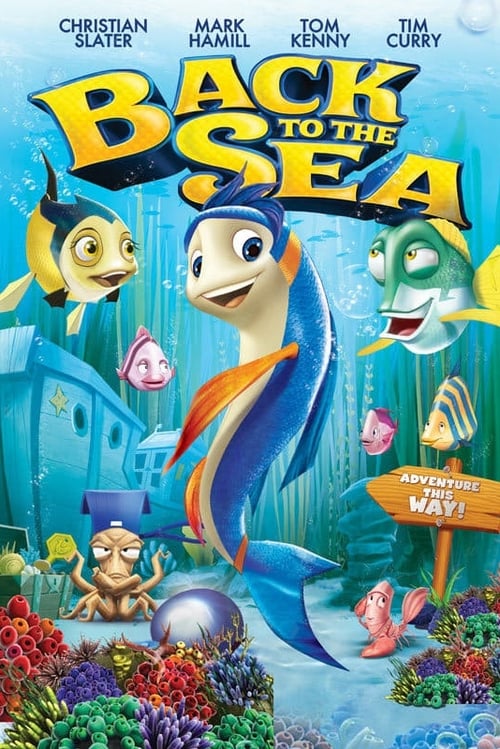
Trained in the skills of sea power, Pi the fish can fight a shark, sink a squid or batter any random predator that ever threatens his friends and neighbors on the reef. Unfortunately, being the only hero in town can take its toll, especially when a group of sharks declares that the end of the reef is soon at hand.
2017
2017
2010
2018
1998

2012
2012

1999
No reviews yet. Be the first to share your thoughts on this movie!
Use the rating form above to leave a star rating and optional review.