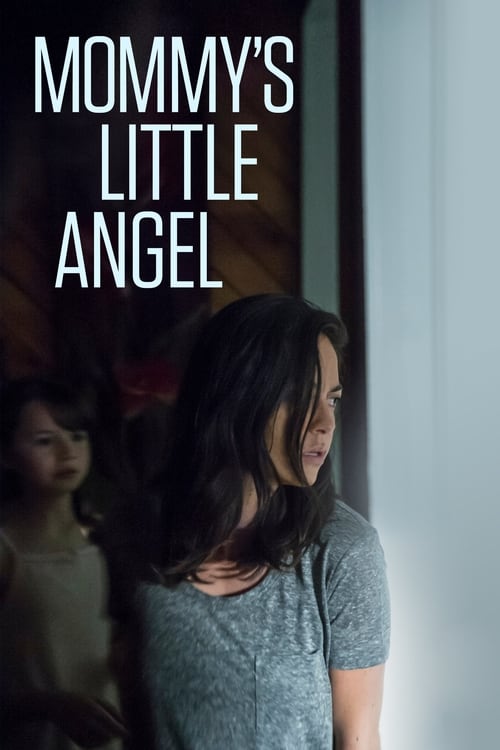
Mommy's Little Angel
2018
No user ratings available yet
Diversity score: 3.8 out of 10

2014
Director
David Winning
Runtime
90 minutes
Average Rating
No ratings yetSynopsis
An abused wife leaves her alcoholic husband and moves with her children to another town. There their lives become entwined with another family in trouble.
Overall Score
Fair
Category Breakdown
LGBTQ+ Representation
The narrative lacks explicit evidence of LGBTQ+ characters or non-heteronormative dynamics. The central conflict focuses on a traditional marital breakdown.
Gender Representation
The film prioritizes female agency by centering on a wife who exits an abusive marriage. It values female strength and autonomy over patriarchal household preservation.
Racial & Ethnic Diversity
There is insufficient information to evaluate the racial or ethnic composition of the cast. No specific details regarding cultural backgrounds are available.
Religious & Cultural Diversity
The story challenges the sanctity of the nuclear family by portraying traditional domestic structures as sites of trauma. It explores the rejection of destructive norms.
Disability Representation
Alcoholism is addressed as a dependency issue, but it is unclear if the condition is treated with nuance. No neurodivergent or physical disability representation is evident.
Strengths
Areas for Improvement
AI Analysis
Paper Angels functions as a domestic drama centered on recovery and the pursuit of safety. Its primary strength lies in its subversion of traditional domestic hierarchies, emphasizing the resilience of a maternal figure seeking independence from an abusive, alcoholic husband. However, the film lacks intersectional depth. The absence of visible racial, LGBTQ+, or neurodivergent representation limits its scope, keeping the narrative focused on a narrow, traditional family disruption model. Ultimately, the work serves as a character study of female agency, though it remains confined to a specific, non-diverse social framework.
2018

2006

2021
1975
1984

2012
1993

2015
2019

2017

2005

2005
No reviews yet. Be the first to share your thoughts on this movie!
Use the rating form above to leave a star rating and optional review.