Our Land
2006
No user ratings available yet
Representation score: 2.2 out of 10
Representation Score
Minimal
2023
Director
Pierluigi Ferrandini
Runtime
104 minutes
Average Rating
No ratings yetNew Showbiz Analysis
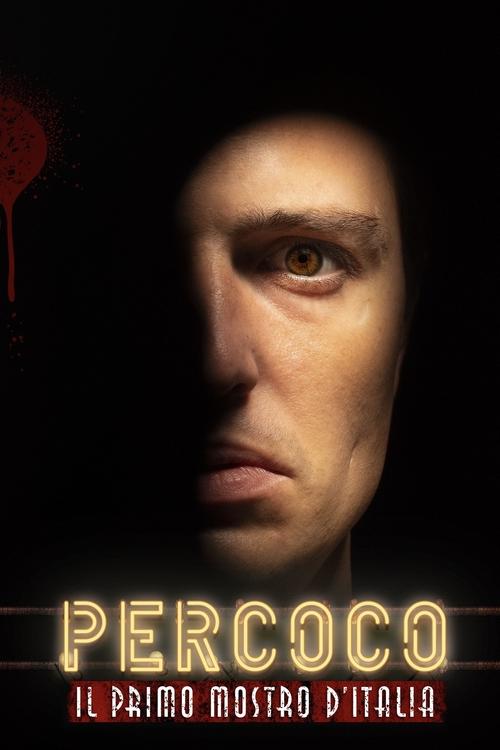
Percoco: Il Primo Mostro D'Italia is a character-driven historical thriller that prioritizes psychological deconstruction over diverse representation. It uses a specific domestic tragedy to examine the friction between Italy's post-war economic boom and the stability of the nuclear family. The film adheres to the demographic and social norms of 1950s Italy, offering a critique of the perceived stability of the traditional middle-class family unit. However, it does not actively seek to challenge demographic or identity-based hierarchies. Ultimately, the work serves as a historical reconstruction of a specific anomaly rather than a vehicle for progressive representation or systemic narrative disruption.
Category Breakdown
The film does not include any LGBTQ+ characters or stories about non-traditional gender identities. The plot revolves around a historical criminal incident within a conventional family setting.
The story centers on a male protagonist who commits a violent act. Female characters are portrayed as victims within a traditional patriarchal framework.
Set in the 1950s in Bari, the film reflects the homogeneous demographics of the time. There is no indication of multiculturalism or diverse casting.
The film explores the Italian economic boom and the stability of the middle class during a period of rapid socioeconomic change. It delves into the psychological fractures beneath the surface of this transition.
There is no mention of characters with physical or neurodivergent disabilities. The focus is on the psychological profile of the perpetrator.
Present on Screen
Limited or Absent
Official Synopsis
Italian film directed by Pierluigi Ferrandini. On the night of May 26, 1956, a terrible bloody event occurred within the home. In Bari at the dawn of the economic boom, the twenty-six-year-old Franco Percoco, coming from a "normal" lower middle class family, carried out a family massacre - the first after the war to have great media coverage - and was consigned to the news as the "Monster of Bari ".
2006

1965
2021
2010
2021
2015
1986
2007
No reviews yet. Be the first to share your thoughts on this movie!
Use the rating form above to leave a star rating and optional review.