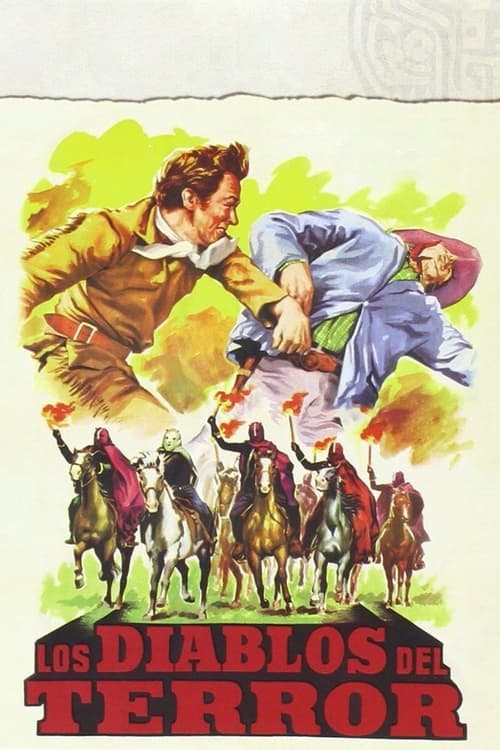
Los diablos del terror
1959
No user ratings available yet
Representation score: 3.0 out of 10
Representation Score
Limited
1944
Director
Fernando Méndez
Runtime
186 minutes
Average Rating
No ratings yetNew Showbiz Analysis
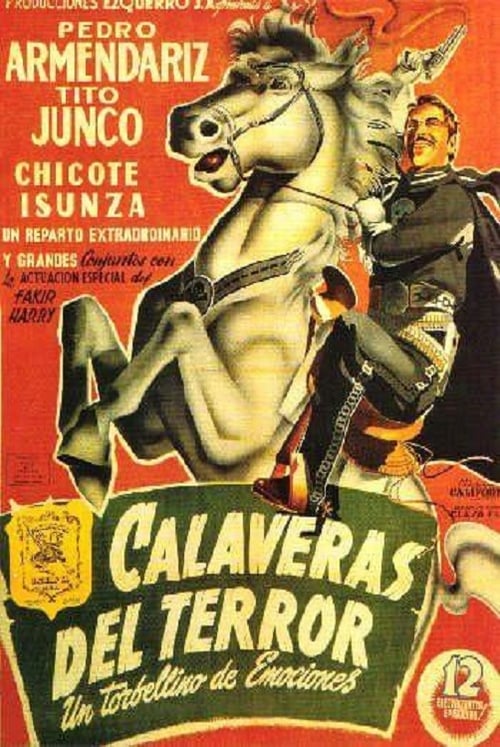
The Skulls of Terror serves as a significant example of the Golden Age of Mexican Cinema, offering a vital alternative to the Hollywood-dominated landscape of the 1940s. By centering a Mexican cast and production, it provides a necessary shift in racial and ethnic representation for the era. However, the film remains tied to the rigid genre conventions of its time. The adventure-mystery structure relies on a binary struggle between good and evil, limiting the depth of its social exploration. Traditionalism extends to gender roles, where men's control over the story remains the primary driver of the plot. Ultimately, the film is a product of its historical context. It succeeds in providing a non-white-centric cinematic experience but lacks the narrative complexity needed to challenge the era's standard social hierarchies.
Category Breakdown
The film adheres to the standard social norms of 1940s genre cinema. There is no indication of LGBTQ+ identities or narratives that question the assumption that everyone is straight.
The narrative likely reinforces traditional gender roles common to the Western genre. While female performers like Alicia de Phillips appear, the story centers on men's control over the story and physical prowess.
As a Mexican production, the film provides a significant departure from Anglo-centric Hollywood perspectives. The predominantly Mexican cast represents a meaningful centering of Mexican identity in 1940s cinema.
The film offers a cultural perspective distinct from American or European dominance. It operates within a traditional Western framework emphasizing moral binaries and the pursuit of territory.
There is no mention of characters with visible or invisible disabilities within the narrative.
Present on Screen
Limited or Absent
Official Synopsis
Feature-length version of a serial, originally in twelve chapters. Three-hour runtime, later re-edited into two 90 minute features called Las Calaveras Del Terror and Vuelven Las Calaveras Del Terror. Good guys vs bad guys for possession of a map showing the location of a lost mine.
1959
1959
1957

1965

1957
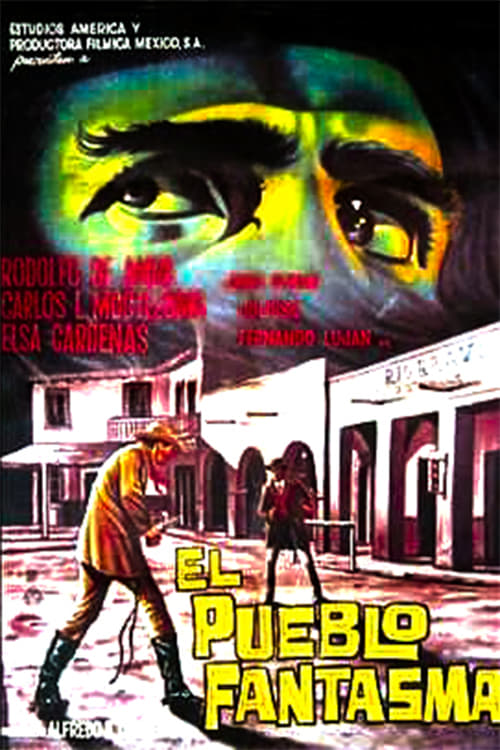
1963
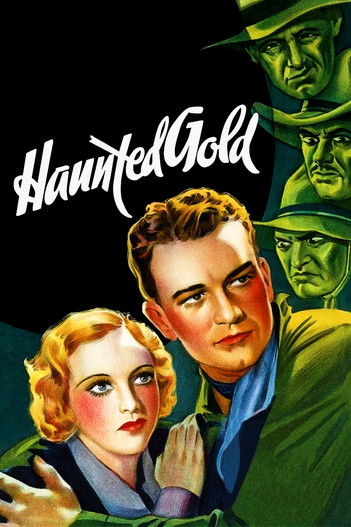
1932
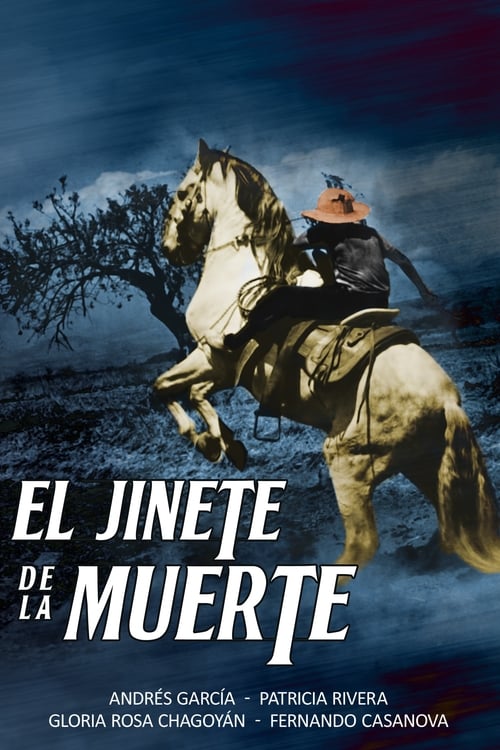
1980
No reviews yet. Be the first to share your thoughts on this movie!
Use the rating form above to leave a star rating and optional review.