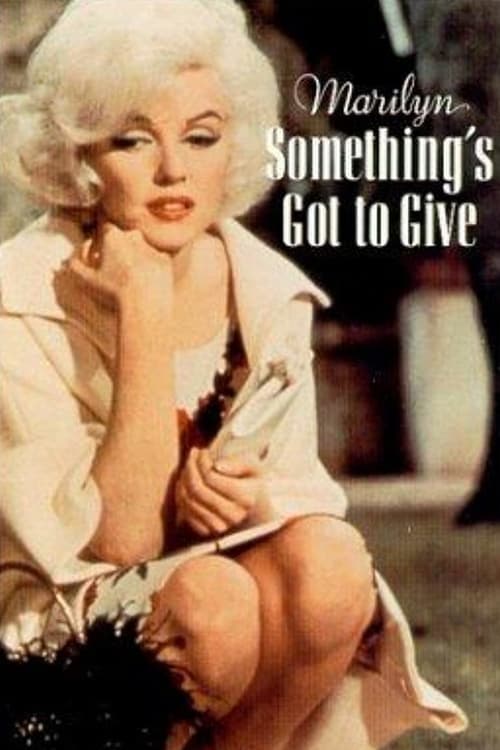
Marilyn: Something's Got to Give
1990
No user ratings available yet
Representation score: 5.4 out of 10
Representation Score
Good
2001
TV-14Director
Patty Ivins
Runtime
117 minutes
Average Rating
No ratings yetNew Showbiz Analysis
The documentary excels at deconstructing the power imbalances inherent in the mid-century studio system. By focusing on the systemic pressures placed upon Monroe, it offers a sophisticated look at gendered exploitation and the realities of mental health crises. However, the film is constrained by its historical subject matter. The narrow demographic focus results in a lack of racial and LGBTQ+ diversity, reflecting the homogeneous social circles of the 1960s Hollywood elite. Ultimately, the work is a powerful study of individual ability to act versus institutional oppression, even if it remains limited by the era's lack of diverse representation.
Category Breakdown
The documentary does not include explicit LGBTQ+ characters or storylines. It operates within conventional frameworks that assume everyone is straight or cisgender, offering no exploration of non-assuming gender matches what was assigned at birth identities.
The film provides a nuanced critique of gender hierarchies by centering a woman's struggle against a predatory, male-dominated industry. It reframes Monroe's vulnerability as a response to systemic patriarchal control.
Reflecting 1962 Hollywood, the production features a largely homogeneous white cast. It does not actively incorporate diverse racial perspectives or challenge the era's limitations through casting.
The narrative critiques the capitalist studio system as a predatory entity. It also explores moral relativism regarding Monroe's mental health and substance use as symptoms of exploitation.
The film offers a significant look at invisible disabilities, specifically mental health and addiction. It treats Monroe's psychological instability as a central, lived reality rather than a mere plot device.
Present on Screen
Limited or Absent
Official Synopsis
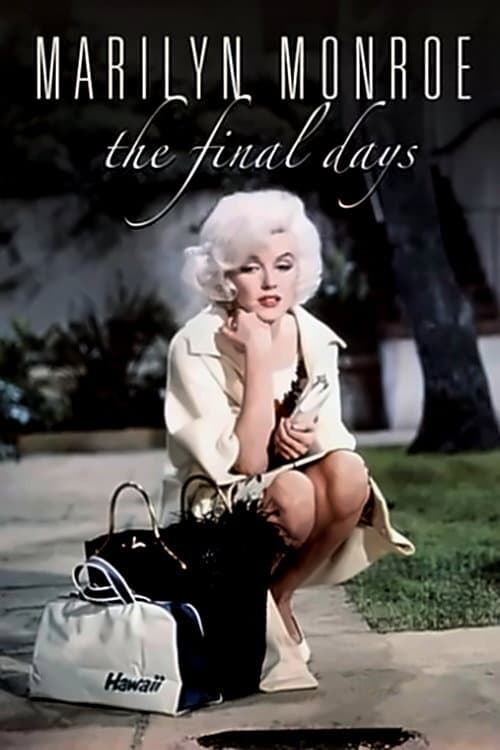
Marilyn Monroe's final project, "Something's Got to Give", has become one of the most talked about unfinished films in history. The story of the film and Marilyn's last days were seemingly lost… until now. Through interviews, never-before-seen footage and an edited reconstruction of "Something's Got to Give", Marilyn Monroe: The Final Days provides a definitive and fascinating look at the last act in the life of the world's most famous and tragic superstar.
1990

2018

1994

2006
2015
1966
1986

2013
No reviews yet. Be the first to share your thoughts on this movie!
Use the rating form above to leave a star rating and optional review.