
Marona's Fantastic Tale
2020
No user ratings available yet
Representation score: 7.3 out of 10
Representation Score
Limited
2017
Director
Julien Becquer, Éléna Dupressoir, Jules Durand, Viviane Guimarães, Ines Scheiber
Runtime
4 minutes
Average Rating
No ratings yetNew Showbiz Analysis
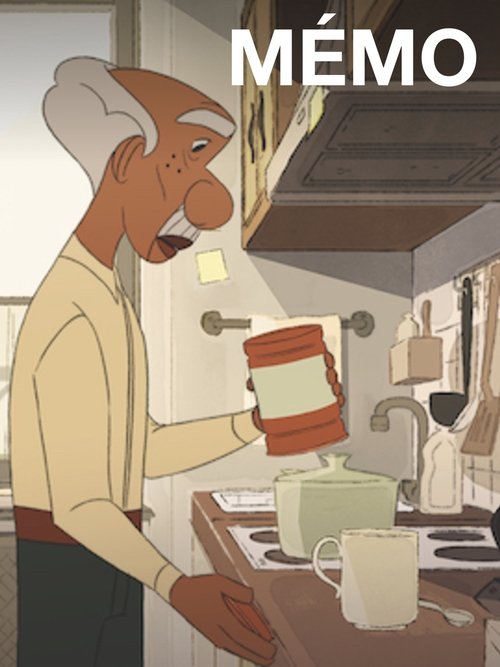
Mémo offers a thoughtful exploration of the tension between autonomy and caregiving. By centering Louis's resistance to his daughter's overprotection, the film challenges the cliché of the elderly as passive recipients of care. The narrative succeeds in subverting traditional family hierarchies by placing Nina in a position of authority, providing a more complex look at familial structures than standard, idealized depictions. However, the film's progressive impact is limited by a lack of visible multi-layered identities. Without clear representation of race, LGBTQ+ identities, or specific disabilities, the scope remains narrow.
Category Breakdown
The film does not include any visible LGBTQ+ characters or narratives. The central relationship is portrayed through a traditional family perspective.
Nina holds a position of oversight and authority, which disrupts conventional patriarchal hierarchies. However, the limited scope prevents a deeper examination of gendered intellect.
Due to a lack of specific casting details, a definitive score cannot be assigned. The narrative focuses on interpersonal dynamics rather than ethnic identity.
The story deconstructs the traditional family unit by highlighting the friction in protective caregiving. It offers a nuanced view of familial institutions rather than an idealized one.
Themes of overprotection and independence often serve as metaphors for age-related decline. The film's portrayal of Louis's ability to act independently determines if it avoids common clichés.
Present on Screen
Limited or Absent
Official Synopsis
Louis, a retired man, resists the overprotection of his daughter Nina to keep his independence.
2020
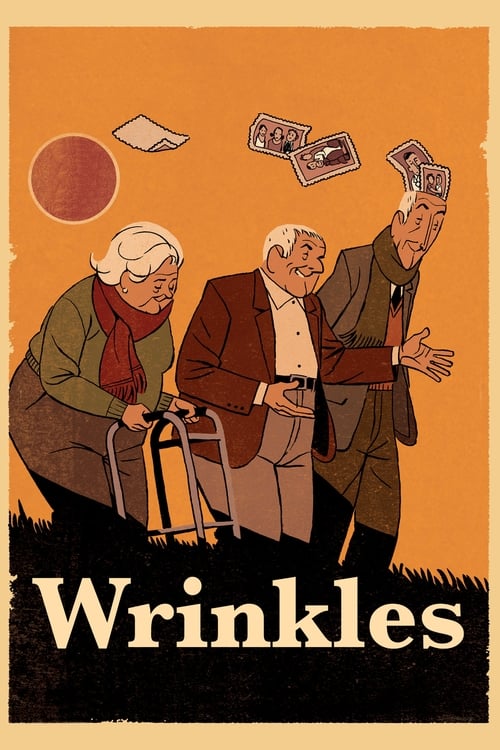
2011

2013
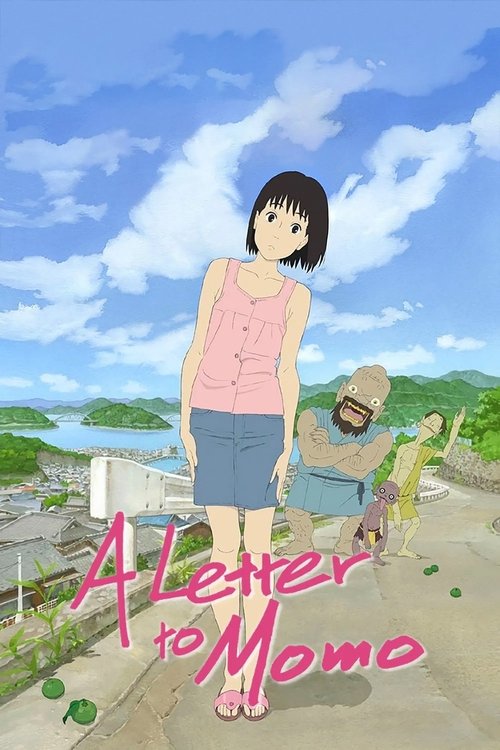
2012

2020

2025
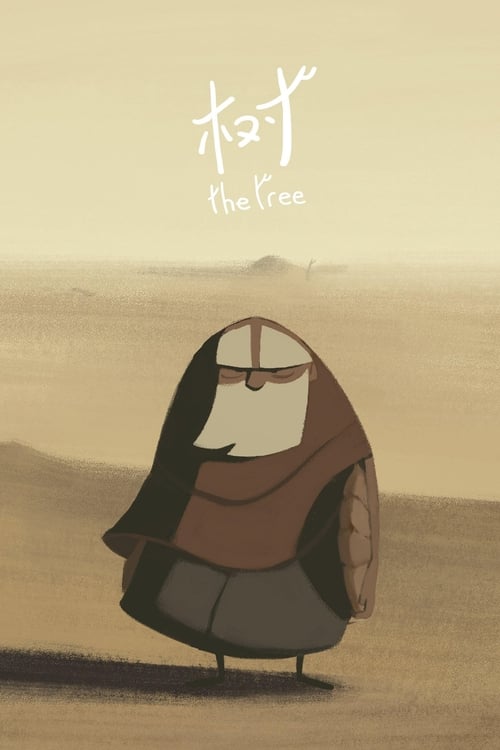
2018

2017
No reviews yet. Be the first to share your thoughts on this movie!
Use the rating form above to leave a star rating and optional review.