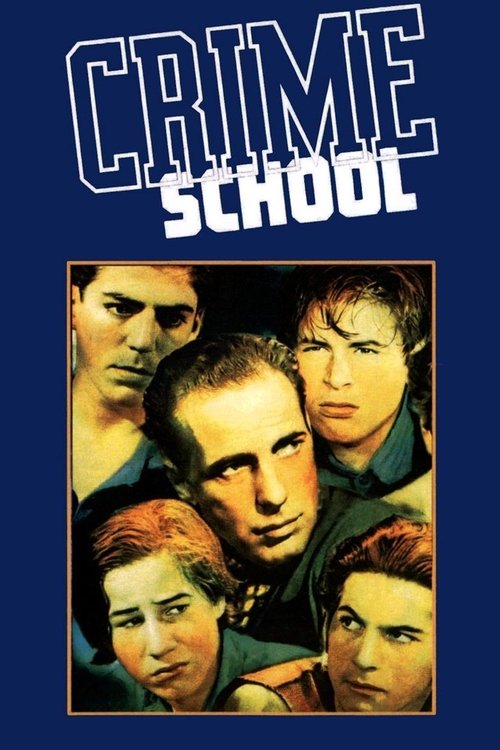
Crime School
1938
No user ratings available yet
Representation score: 1.1 out of 10
Representation Score
Limited
1938
PassedDirector
D. Ross Lederman
Runtime
60 minutes
Average Rating
No ratings yetNew Showbiz Analysis
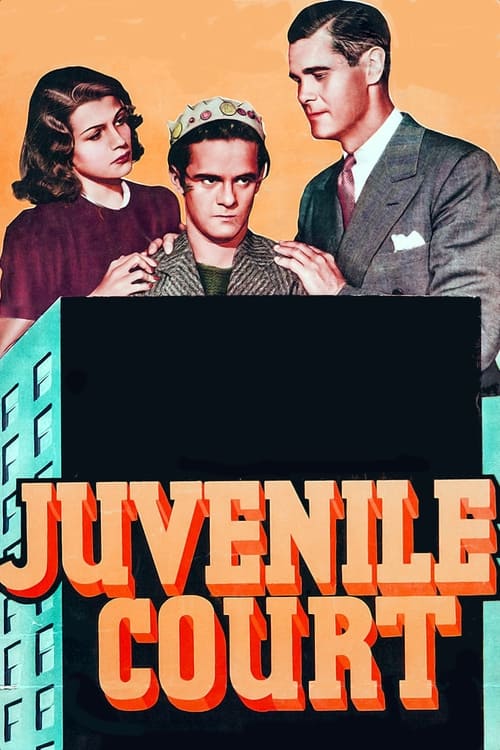
Juvenile Court (1938) serves as a social drama that examines how socioeconomic environments influence criminality. By shifting focus from individual moral failings to systemic pressures, the film offers an early look at situational ethics. However, the film remains tethered to the traditional frameworks of its time. The drive for reform is channeled through existing institutional means, such as seeking public funds, rather than challenging the underlying social order. Representation of underrepresented groups and women remains functional and secondary to the central legal plot. The film prioritizes genre-driven storytelling over deep social deconstruction.
Category Breakdown
The film does not include any characters with non-straight sexual orientations or same-sex relationships. It adheres closely to the traditional social structures of the mid-20th century.
Marcia Adams plays a significant role as a primary collaborator to the protagonist. However, her role remains secondary to the male lead within a traditional support framework.
While the setting includes diverse slum environments, the specific racial composition of the characters is not explicitly detailed. The film likely follows the homogeneous casting standards of 1930s studios.
The narrative critiques systemic issues by linking criminal behavior to environmental factors. It seeks reform through established civic structures and public funding rather than radical deconstruction.
There is no mention of characters with physical, sensory, or neurodivergent disabilities within the film's narrative.
Present on Screen
Limited or Absent
Official Synopsis
Public Defender Gary Franklin, frustrated by being unable to save criminal Dutch Adams from a death sentence by blaming the slums environment as the cause of Dutch's crimes, enlists the aid of Dutch's sister, Marcia Adams, to get the slum dwellers at appeal for public monies to provide recreational places for the slum kids.
1938
1937
1938

1938

1931
1940
1939

1949
No reviews yet. Be the first to share your thoughts on this movie!
Use the rating form above to leave a star rating and optional review.