
Interception
2009
No user ratings available yet
Representation score: 3.2 out of 10

Representation Score
Good
1999
RDirector
Jenni Gold
Runtime
81 minutes
Average Rating
No ratings yetNew Showbiz Analysis
Jenni Gold’s documentary delves into the history of the Hollywood studio system. It effectively dismantles the 'Lavender Marriage' and the pressures of the Hays Code, offering a corrective to traditional, straight-centered historical narratives. The film places queer identities at the core of the industry’s mechanics, challenging the idea that they are merely peripheral. It uses archival footage and personal testimonies to highlight the resilience needed to survive systemic suppression. While the focus on LGBTQ+ history is thorough, the narrative does not center on racial the way different parts of someone's identity overlap. The story primarily explores the navigation of queer identity within institutional structures.
Category Breakdown
The documentary focuses on the lived experiences of queer individuals and the psychological impact of conforming to heterosexual norms. It highlights the need for concealing true identities and the erasure of those identities in official historical records.
The film examines how gender roles were used as tools for professional survival. It looks at the performance of traditional femininity and masculinity to navigate the studio system.
The narrative emphasizes the intersection of queer identity and Hollywood history. While it touches on social hierarchies, it does not center on racial the way different parts of someone's identity overlap as a primary driver.
The film critiques the capitalist nature of the studio system and the moral censorship of the time. It portrays Hollywood as an oppressive structure that prioritized commercial stability over individual authenticity.
The documentary does not focus on visible or invisible disabilities as a primary narrative driver.
Present on Screen
Limited or Absent
Official Synopsis
Samantha Martin is injured during a mission and is forced to retire from the CIA. She discovers a mole within the CIA is working with terrorists to acquire chemical weapons set to be destroyed by the U.S. Government. Unable to contact the CIA, she forms a rag-tag group of fellow CIA cast-offs to stop the terrorists and uncover the rogue CIA agent.
2009

1999

2011

2012

1995

2012

1996
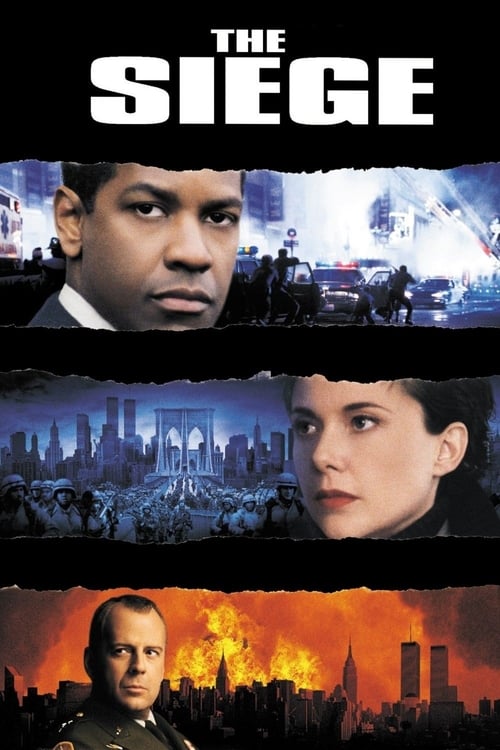
1998
No reviews yet. Be the first to share your thoughts on this movie!
Use the rating form above to leave a star rating and optional review.