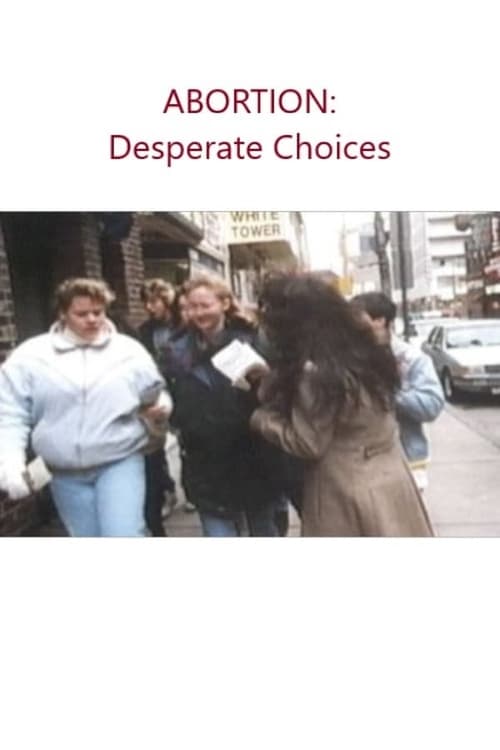
Abortion: Desperate Choices
1992
No user ratings available yet
Representation score: 8.7 out of 10
Representation Score
Excellent
1992
Director
Dorothy Fadiman
Runtime
28 minutes
Average Rating
No ratings yetNew Showbiz Analysis
Dorothy Fadiman’s documentary serves as a vital piece of feminist historiography. By prioritizing first-person testimonies, the film replaces official historical narratives with a complex tapestry of lived experiences. It successfully challenges the perceived stability of pre-Roe legal structures. The work excels in its portrayal of women's ability to act and its critique of institutional power. It effectively uses diverse perspectives to show how race and class influenced the risks faced by women during this era. However, the film remains limited in its scope regarding LGBTQ+ visibility and specific disability studies. While it addresses physical harm, it does not explicitly center neurodivergence or chronic disability as primary themes.
Category Breakdown
The film focuses on reproductive experiences through a traditional lens and lacks explicit visibility for queer-specific narratives or non-binary gender identities.
This documentary disrupts gender hierarchies by centering women's ability to act and bodily autonomy. It frames patriarchal legal structures as the main obstacles to women's self-determination and resilience.
A diverse array of subjects demonstrates that reproductive healthcare disparities were not uniform. The film highlights how systemic barriers intersected with race and socioeconomic status.
The narrative critiques Western legal and medical institutions as oppressive forces. It contrasts rigid statutory morality with the survival-based realities of the subjects' lived experiences.
The film depicts physical trauma and medical complications resulting from unsafe, unregulated procedures. These portrayals highlight bodily vulnerabilities caused by legal restrictions rather than centering disability itself.
Present on Screen
Limited or Absent
Official Synopsis
A collection of first person stories which reveal the physical, emotional and legal consequences of having or providing an abortion when it was a criminal act.
1992

2022
2022
1971
2018
2010
2016
2016
No reviews yet. Be the first to share your thoughts on this movie!
Use the rating form above to leave a star rating and optional review.